“Does my foundation need to be replaced?” is a question that strikes fear into homeowners’ hearts — and for good reason. Foundation replacement is one of the most expensive home repairs possible, ranging from $30,000 to over $100,000.
Here is the reassuring news: in 50+ combined years of foundation work across New England, the vast majority of foundations we inspect need repair, not replacement. We estimate that 95% or more of foundation problems can be resolved with targeted repairs costing a fraction of what replacement would run.
But that still leaves the 5%. So let’s talk about when repair makes sense, when replacement is truly necessary, and how to tell the difference.
The Cost Reality
Let’s start with the numbers, because they frame everything else.
| Approach | Typical Cost Range | Timeline |
|---|---|---|
| Crack injection (per crack) | $800 - $1,300 | Hours |
| Carbon fiber reinforcement | $3,000 - $8,000 | 1 day |
| Wall stabilization (anchors/beams) | $6,000 - $15,000 | 1-3 days |
| Full foundation replacement | $30,000 - $100,000+ | 3-8 weeks |
That is a 10x to 100x cost difference. The gap in disruption is equally dramatic — you can live in your home during most repairs, but foundation replacement may require temporary relocation.
For detailed repair pricing, see our foundation repair cost guide.
When Foundation Repair Is the Right Answer
Foundation repair is appropriate — and sufficient — for the overwhelming majority of situations.
Cracking (Vertical, Diagonal, Horizontal)
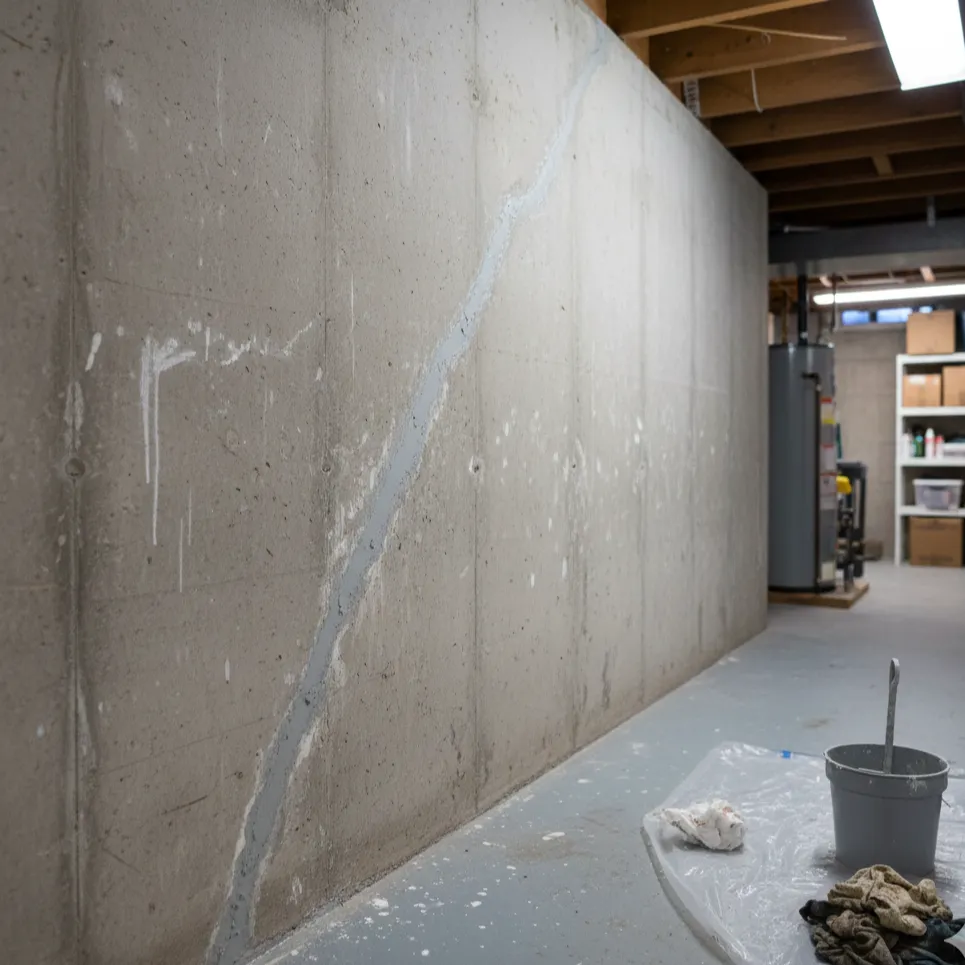
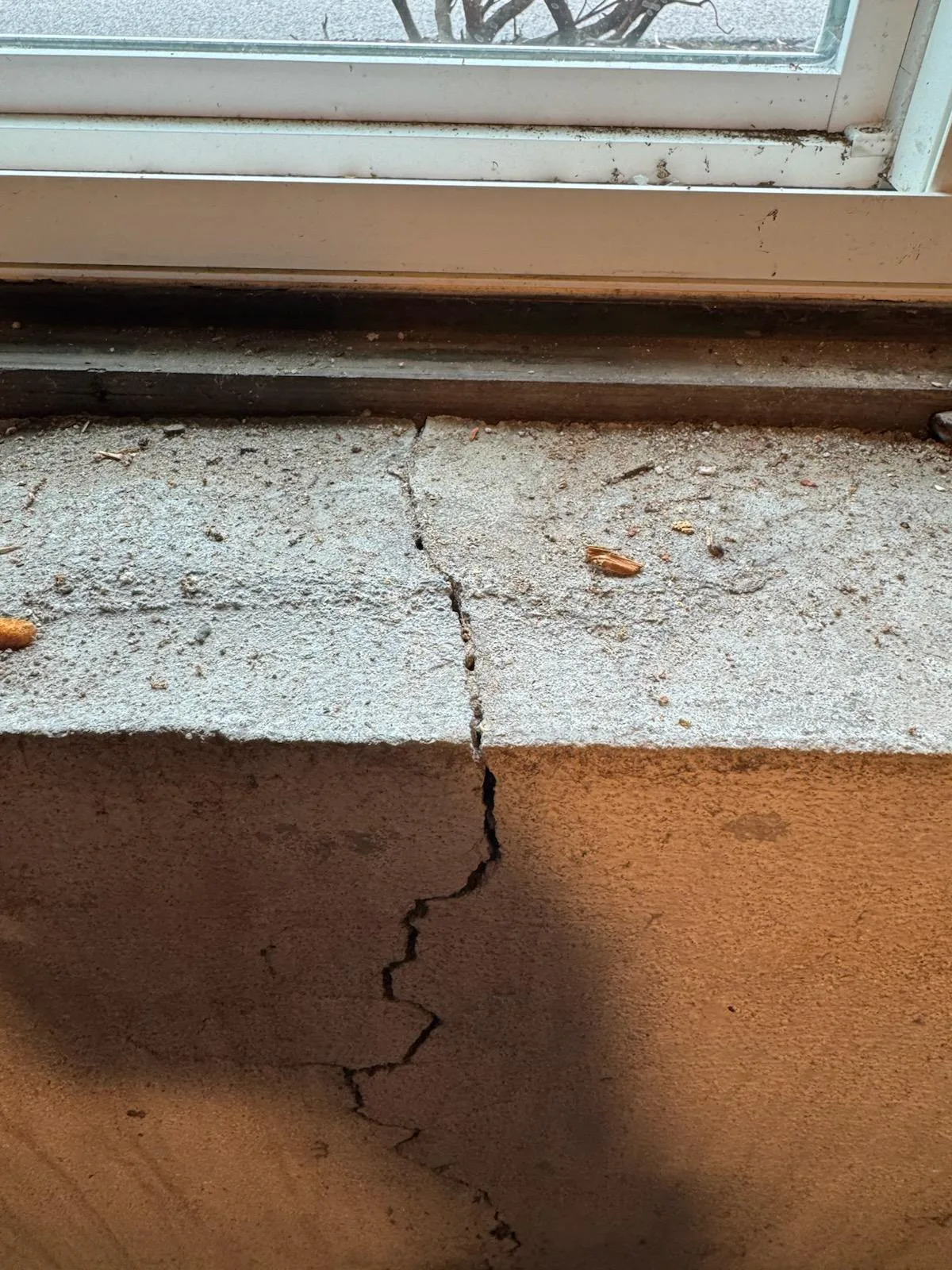
Cracks are the most common foundation issue, and they are almost always repairable. Foundation crack injection seals cracks from inside to outside, restoring the watertight integrity of the wall. Carbon fiber stitches add structural reinforcement when needed.
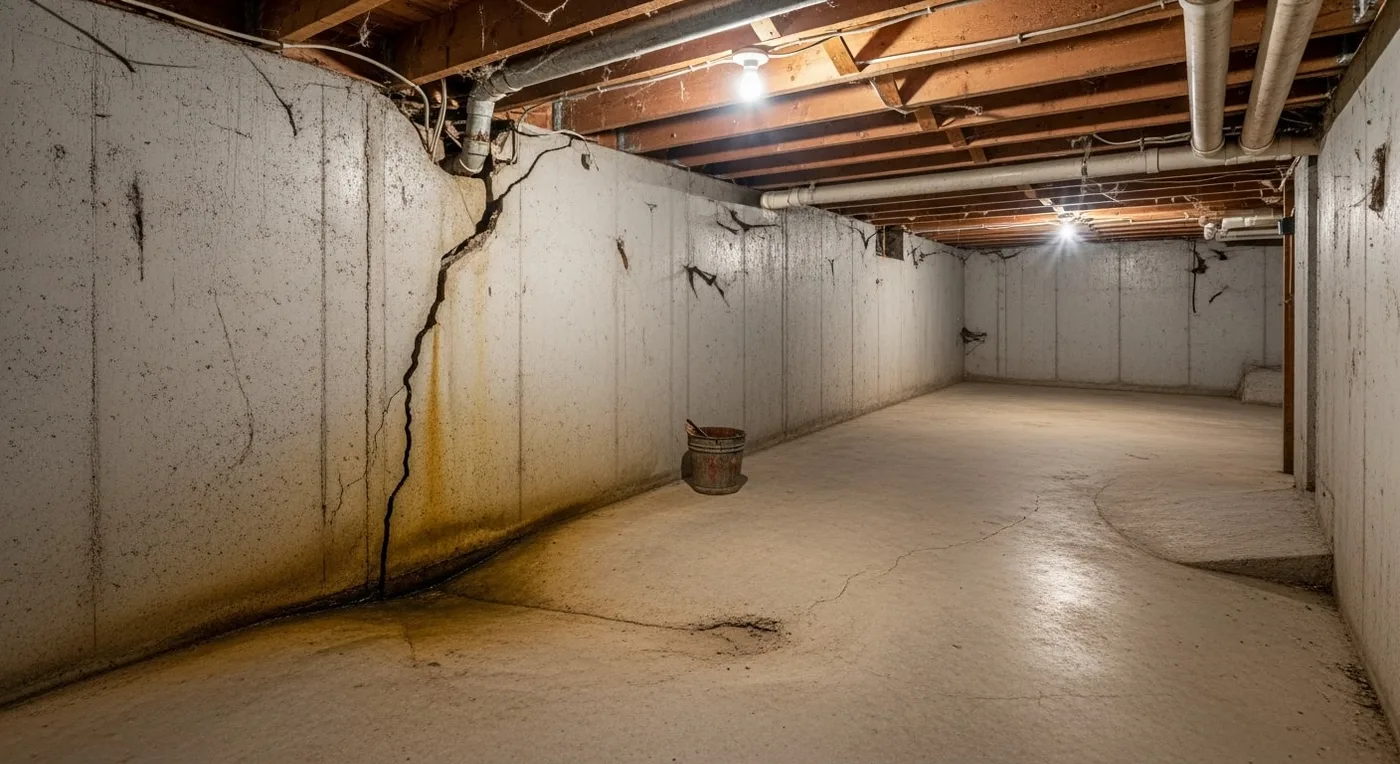
Even horizontal cracks with wall bowing — a serious issue — are typically addressable with carbon fiber straps, wall anchors, or steel beams without replacing the wall. See our guide on vertical vs. horizontal foundation cracks for understanding crack severity.
Minor to Moderate Settlement
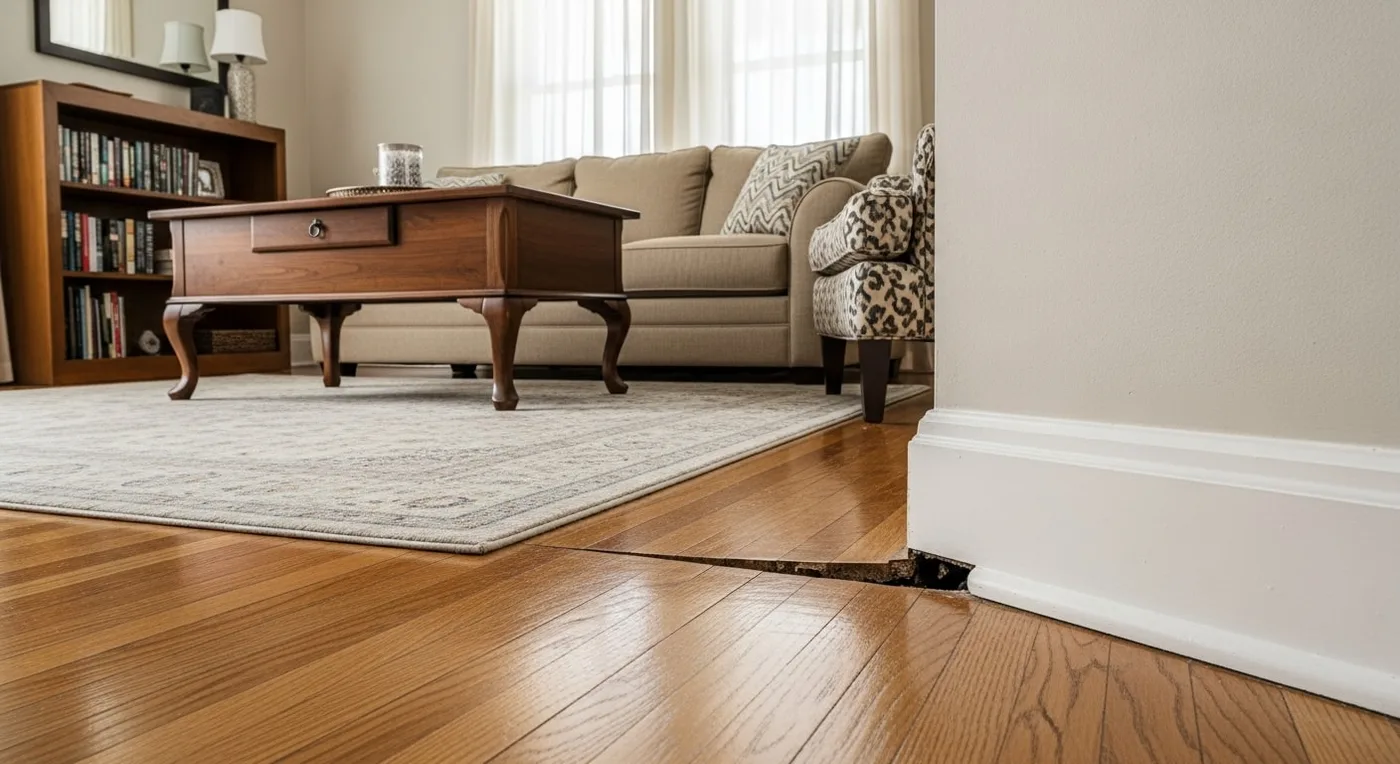
Foundations settle. It is a normal part of a building’s life. When settlement causes cracks, door sticking, or floor unevenness, targeted repair addresses the symptoms while the foundation stabilizes. Most settlement slows and stops within the first 10-20 years, and homes that have been stable for decades are unlikely to experience dramatic new movement.
When settlement is active and ongoing, underpinning (extending the foundation to deeper, more stable soil) can arrest it without replacing the entire foundation.
Water Intrusion
Water coming through cracks, joints, or penetrations is a repair situation, not a replacement situation. Even widespread water intrusion can be addressed with a combination of crack injection, drainage systems, and sump pumps.
Single Wall Failure
If one wall of your foundation has failed while the other three are sound, you can replace just that wall. This is a significant project but still far less expensive and disruptive than full replacement.
Localized Deterioration
Concrete deterioration at specific areas — often at the top of the wall (the frost line) or around utility penetrations — can be repaired or reinforced locally.
When Foundation Replacement Is Necessary
Full foundation replacement is a last resort. Here are the situations where it may be the only viable option.
Catastrophic Structural Failure
If multiple walls have failed, the foundation has shifted significantly off its footings, or the structure above is dangerously compromised, replacement may be the only safe path forward.
What this looks like:
- Walls displaced more than 4-6 inches from plumb
- Multiple walls failing simultaneously
- Foundation has dropped or shifted as a unit
- Visible daylight between the foundation and the structure above
This level of failure is rare in New England. It typically results from extreme events — catastrophic flooding, major landslides, or decades of completely ignored deterioration.
Severe Concrete Deterioration
When the concrete itself has deteriorated to the point where it cannot hold fasteners, support loads, or accept repairs, replacement becomes necessary. This manifests as:
- Concrete that crumbles when touched or scraped
- Rebar exposed and severely rusted throughout the wall
- Aggregate separating from cement paste across large areas
- Walls that have lost significant cross-section to deterioration
Some older New England homes have foundations made with substandard concrete mixes or salt-contaminated aggregate that deteriorate more rapidly. The crumbling foundations crisis (caused by pyrrhotite-containing aggregate) is the most dramatic example.
Foundation Type Incompatible with Repair
Some very old foundations — uncoursed rubble stone, dry-laid fieldstone, or early unreinforced concrete from the late 1800s — may be so fundamentally compromised that repair is impractical. These foundations were not engineered to modern standards and may lack the structural integrity to serve as a base for reinforcement.
Even here, repair is sometimes possible. But when the foundation’s original construction is the problem, no amount of patching addresses the root cause.
Major Renovation or Addition
If you are planning a significant addition or adding stories to your home, the existing foundation may not have the capacity to carry the additional load. In this case, replacement or significant augmentation may be part of the renovation plan — driven by the new requirements rather than the old foundation’s failure.
How to Determine What You Need
Start with a Professional Inspection
A qualified foundation contractor can assess the type, extent, and cause of your foundation problems and recommend appropriate solutions. This should always be the first step — not Googling symptoms and jumping to conclusions.
Our free consultations include a thorough inspection and honest assessment. If your situation is beyond what we repair, we will tell you.
When to Bring in a Structural Engineer
For moderate to severe issues, a structural engineer’s assessment provides an independent, expert opinion. Consider hiring one when:
- Multiple contractors disagree on the approach
- The problem is severe or unusual
- You want a documented assessment for insurance or real estate purposes
- A contractor recommends replacement (get a second opinion)
A structural engineering assessment typically costs $300-$800 and provides a written report with specific recommendations. This investment pays for itself if it confirms that a $5,000 repair is sufficient instead of a $50,000 replacement.
Red Flags from Contractors
Be cautious of any contractor who:
- Recommends replacement after a brief visual inspection
- Does not discuss repair alternatives
- Uses scare tactics about imminent collapse
- Will not provide references for similar replacement projects
- Is not licensed and insured for structural work
Foundation replacement is a massive project. Any legitimate recommendation for it should come with a detailed explanation of why repair is inadequate, supported by specific observations and ideally confirmed by an engineer.
The 95% Rule
We keep coming back to this number because it matters: roughly 95% of the foundation problems we see in New England are repairable. That includes cracked walls, bowing walls, water intrusion, moderate settlement, and deteriorating surfaces.
The reason is straightforward — poured concrete and concrete block foundations are designed to be incredibly durable. They develop problems over decades, and those problems can almost always be addressed with modern repair techniques that did not exist when many of these foundations were built.
Carbon fiber reinforcement, modern injection materials, wall anchor systems, and advanced drainage solutions give us tools to repair foundations that previous generations would have had to replace.
What About Partial Replacement?
Sometimes the answer is between full repair and full replacement. Partial replacement — removing and rebuilding one or two walls while leaving the sound walls in place — is a viable middle ground for situations where:
- One wall has failed but the others are sound
- Deterioration is concentrated on one side of the foundation
- Access for exterior work is available on the affected side
Partial replacement costs roughly $10,000-$25,000 per wall depending on length and complexity. Still significant, but far less than full replacement.
Making the Decision
Here is a practical framework:
- Get a professional inspection — not from the internet, from someone who looks at your specific foundation.
- Understand the repair options — what repairs are possible and what they cost.
- Consider repair longevity — will the repair last 20+ years? Lifetime warranty repairs from a reputable company should.
- Compare total costs — repair cost vs. replacement cost, including disruption and temporary housing.
- Get an engineer if uncertain — $500 for clarity is the best money you will spend.
The signs of foundation problems guide helps you understand what you are looking at before calling a professional, and foundation settling: when to worry helps calibrate your concern level.
Get an Honest Assessment
If you are worried about your foundation, call us. We will inspect it thoroughly and give you an honest answer. If it needs repair, we will explain the options and costs. If it needs more than we do, we will tell you that too — see what we don’t do for a full list of services we refer out. A foundation company that recommends work it cannot perform is a foundation company you can trust. 860-573-8760 (CT) | 617-668-1677 (MA)If you are worried about your foundation, call us. We will inspect it thoroughly and give you an honest answer. If it needs repair, we will explain the options and costs. If it needs more than we do, we will tell you that too — see what we don’t do for a full list of services we refer out. A foundation company that recommends work it cannot perform is a foundation company you can trust. 860-573-8760 (CT)If you are worried about your foundation, call us. We will inspect it thoroughly and give you an honest answer. If it needs repair, we will explain the options and costs. If it needs more than we do, we will tell you that too — see what we don’t do for a full list of services we refer out. A foundation company that recommends work it cannot perform is a foundation company you can trust. 617-668-1677 (MA)
Our lifetime warranty on all repairs means we stand behind our assessment that repair is sufficient. If we repair it and the repair fails, we fix it again at no cost. That is confidence backed by 50+ years of combined experience.