What Is Basement Wall Crack Repair?
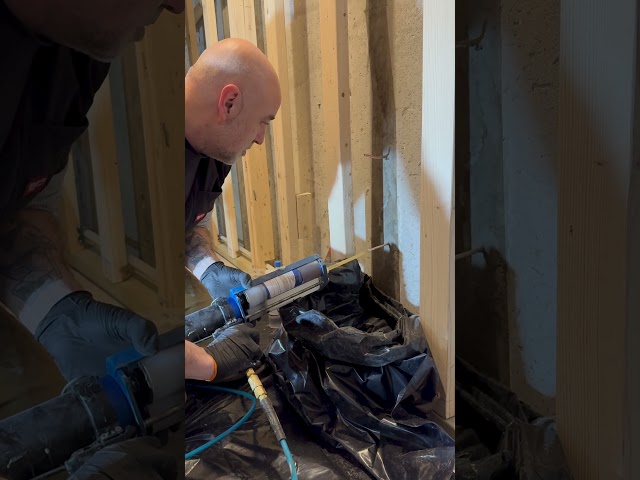
Basement wall crack repair is the process of permanently sealing cracks in poured concrete or block foundation walls using high-pressure resin injection. Epoxy restores structural strength while polyurethane foam creates a flexible, waterproof seal — both methods fill the crack through the full wall thickness without excavation.
Most wall crack repairs cost $800–$1,300 per crack, with structural cracks requiring carbon fiber reinforcement running higher. If you see water stains, white powder (efflorescence), or active leaking in your basement, a foundation crack is the likely cause. We inject flexible urethane or structural epoxy at 100 PSI to fill the crack through the full wall thickness — no excavation, no exterior digging. Every repair includes a lifetime guarantee.
Call for a free assessment. 860-573-8760 (CT) | 617-668-1677 (MA)Call for a free assessment. 860-573-8760 (CT)Call for a free assessment. 617-668-1677 (MA)
Basement Wall Crack Repair That Lasts a Lifetime
Cracks in your foundation walls aren’t just cosmetic — they’re pathways for water infiltration that can lead to structural damage, mold growth, and decreased home value. Whether you’re seeing vertical cracks, horizontal cracks, or stair-step cracks in block foundations, Attack A Crack specializes in permanent basement wall crack repair using proven injection techniques backed by a lifetime guarantee.
Why Foundation Walls Crack
Foundation cracks develop for several reasons, many specific to New England’s geology and climate:
- Settling and soil movement: Glacial till, clay-heavy soil, and fill material shift over time, creating uneven pressure on foundations
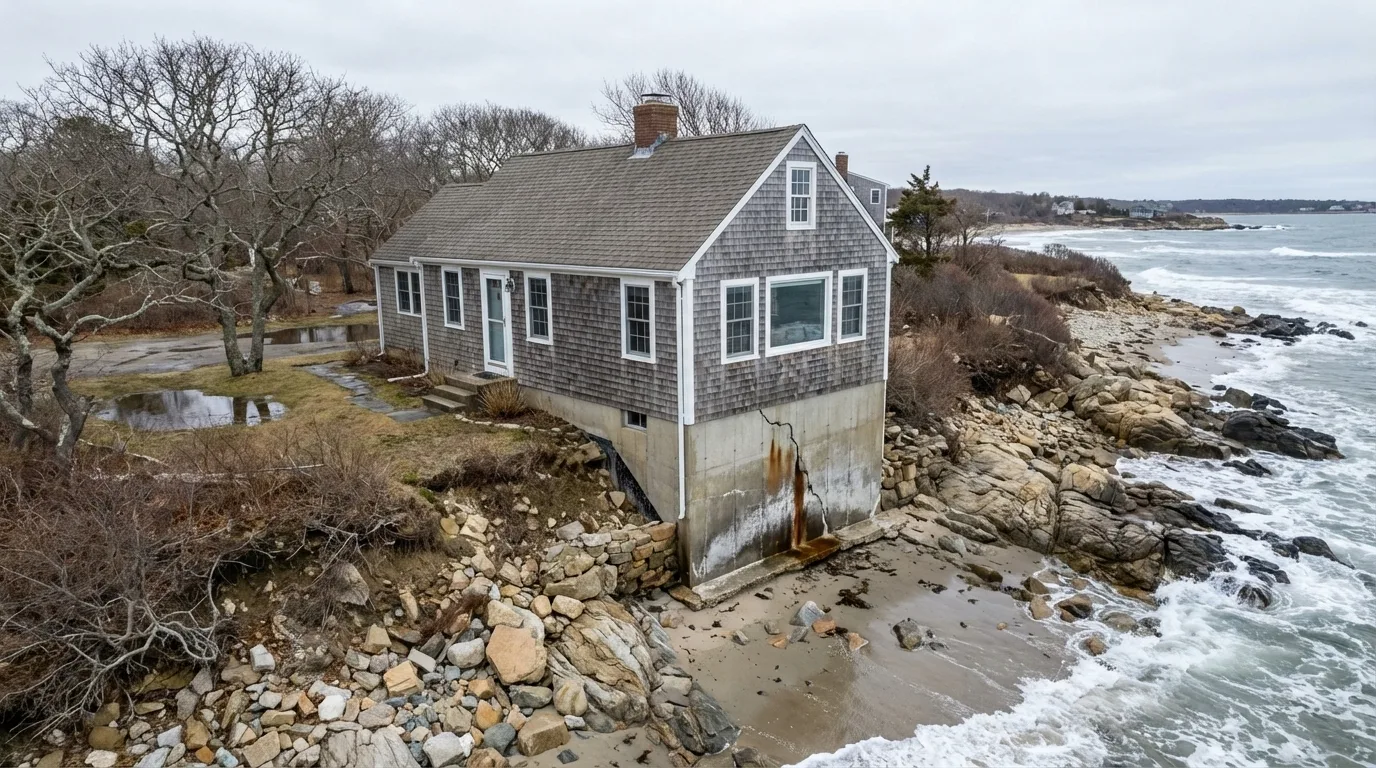
- Hydrostatic pressure: Water pressure from saturated soil pushes against foundation walls — especially during spring thaw and heavy rain
- Freeze-thaw cycles: New England’s harsh winters cause water in concrete pores to freeze and expand, widening existing micro-cracks each year
- Tree roots: Large trees near foundations create lateral pressure as roots grow against the wall
- Concrete shrinkage: Natural curing shrinkage creates vertical cracks, typically within the first few years
- Poor construction: Inadequate curing, improper concrete mix, or cold joints from interrupted pours
Our Wall Crack Repair Process
1. Assessment We evaluate each crack using the same techniques developed over 20+ years of foundation work. We measure crack width (concern starts at 1/4 inch), check for displacement by feeling whether one side sits further forward than the other, and sight down the wall from each corner to detect bowing. For masonry, we look for stair-step patterns in the mortar joints—a sign of structural movement. We also prod with a screwdriver to test for flaking or crumbling concrete.
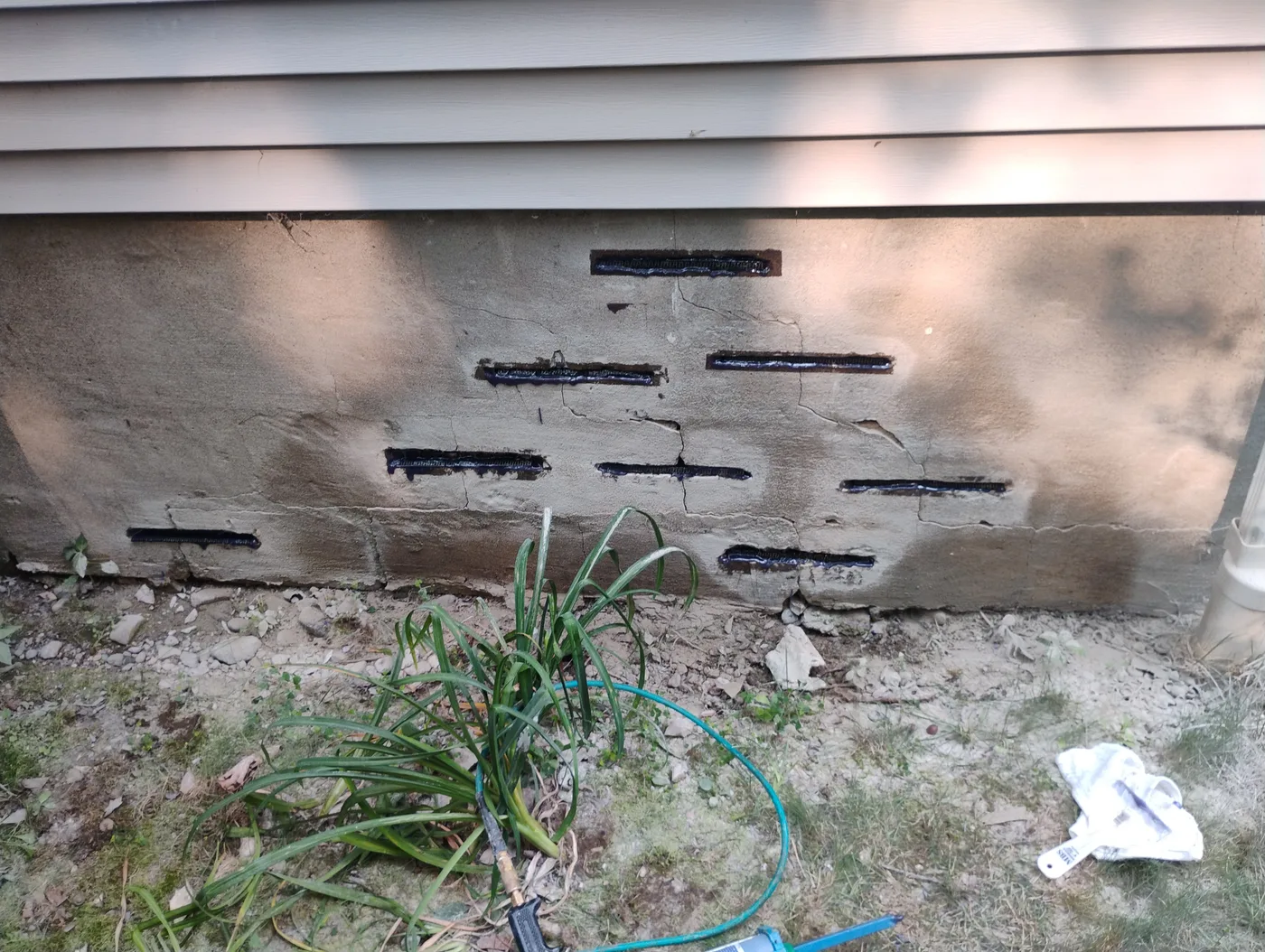
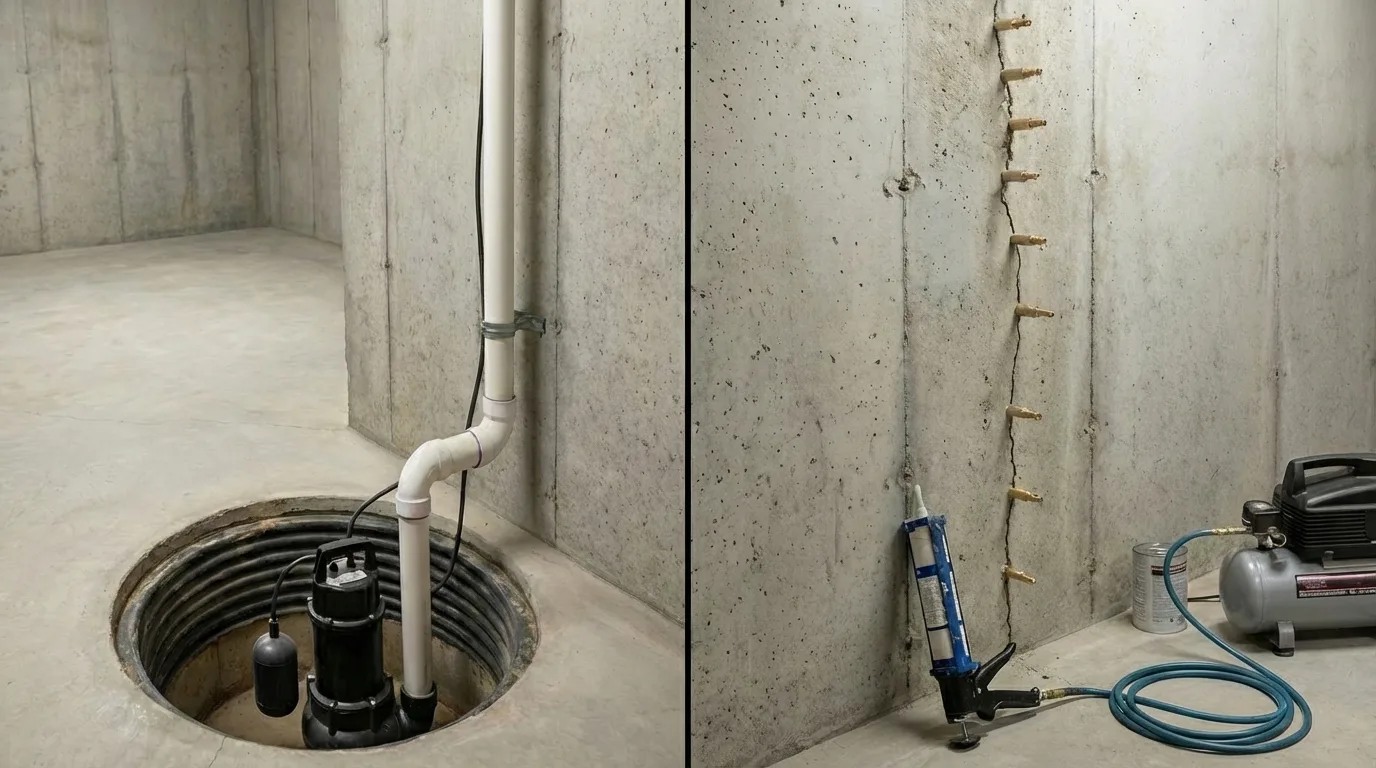
2. Diamond Saw Preparation Using a diamond saw blade, we grind a precise 1/2-inch wide, 1/4-inch deep groove along the crack. We install copper injection ports every 8-10 inches along the full crack length, sealed in place with hydraulic cement. Copper ports are stronger and more aesthetic than the plastic ports many contractors use.
3. 100 PSI Injection We inject either flexible urethane or structural epoxy at 100 PSI—far more than the industry standard. This forces material through the complete wall thickness (8-10 inches) from interior to exterior soil and down to the footer level, ensuring total crack saturation.
4. Finishing Each port is crimped off. A specialized surface patch is applied over the groove, leaving a clean, polished finish. No ports sticking out, no rough patches—backed by our lifetime guarantee.
Urethane vs. Epoxy: Choosing the Right Solution
Flexible Urethane
- Best for: Active cracks that may continue to move
- Benefits: Expands to fill voids, remains flexible, waterproof
- Ideal for: Most residential foundation cracks
Structural Epoxy
- Best for: Cracks requiring structural bonding
- Benefits: Creates bond stronger than original concrete
- Ideal for: Load-bearing cracks, structural repairs
Cement Foundation Crack Repair — Same Fix, Different Name
Many homeowners search for “cement crack repair” or “cement foundation repair” when looking for help. While technically your foundation is made of concrete (cement is just one ingredient), the repair process is identical. Our urethane and epoxy injection methods bond directly to the concrete matrix, filling cracks completely regardless of what you call the material. If you’ve been searching for cement wall repair, you’re in the right place.
Types of Foundation Wall Cracks
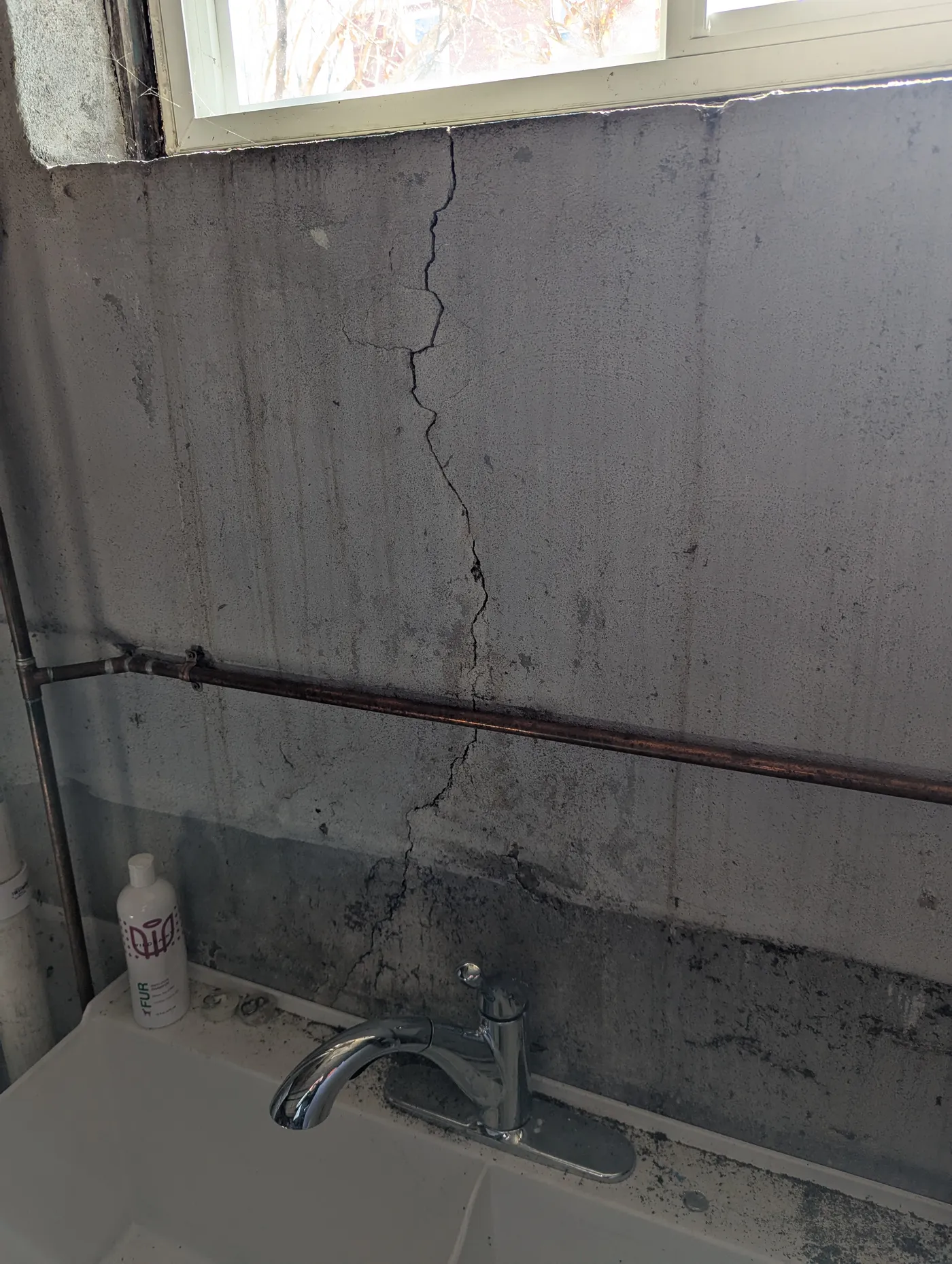
Vertical Cracks The most common type — usually caused by concrete shrinkage or minor settling. Typically non-structural but still allow water infiltration. Most vertical cracks cost $800-$1,300 to repair with injection.
Horizontal Cracks The most serious type — indicate lateral soil pressure pushing against the wall. Horizontal cracks with bowing require immediate attention and often need carbon fiber staples or straps for stabilization in addition to injection.
Diagonal Cracks Usually indicate differential settlement — one part of the foundation is settling faster than another. Often appear from corners of windows and doors.
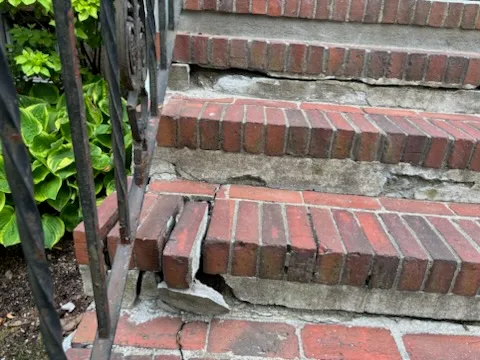
Stair-Step Cracks Found in block (CMU) and masonry foundations. Follow the mortar joints in a step pattern, indicating settlement or lateral pressure.
When to Repair Foundation Wall Cracks
Don’t wait for water in your basement after rain. Signs you need wall crack repair now:
- Visible cracks wider than 1/8 inch
- Water stains or white powder on basement walls (efflorescence)
- Active water leakage during rain
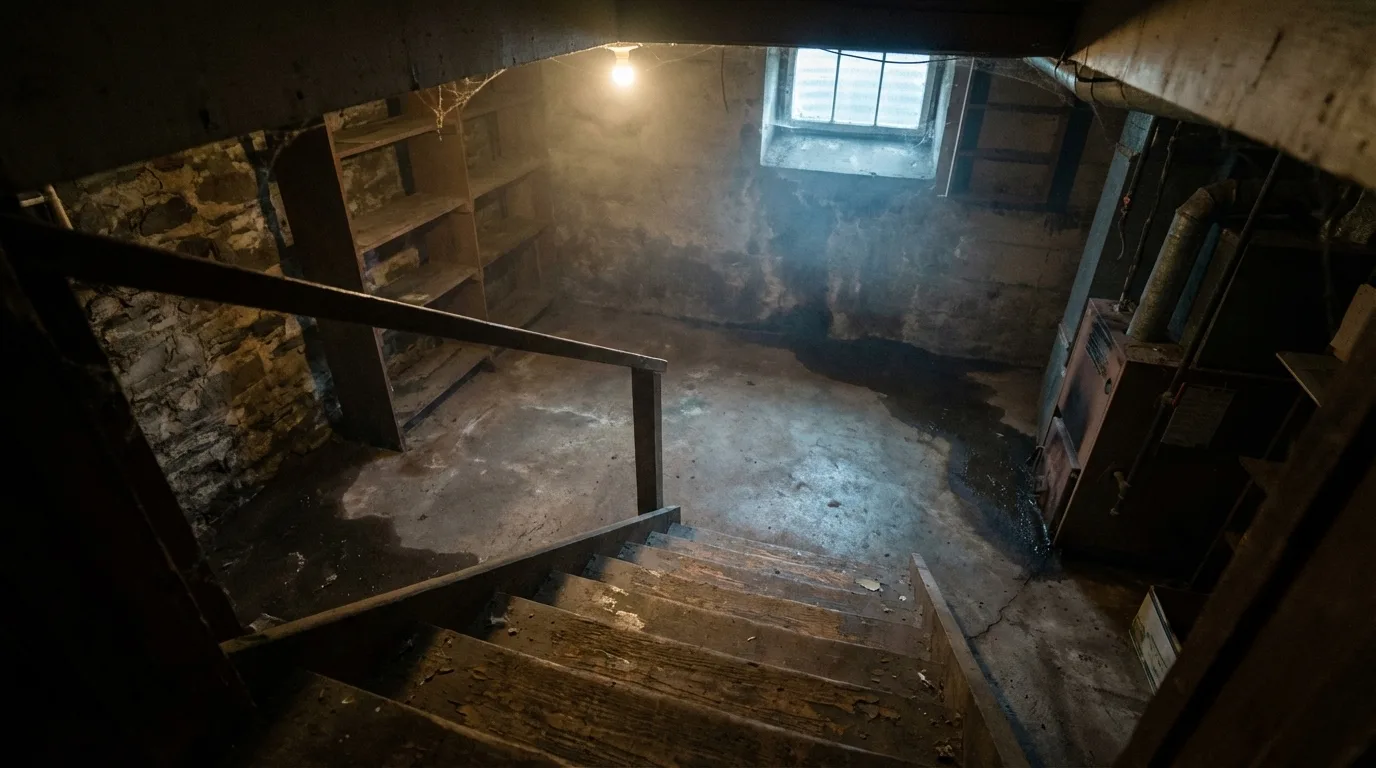
- Musty smell in basement near crack locations
- Cracks that appear to be growing (mark them with pencil and date)
- Horizontal cracks with any wall displacement (urgent — call immediately)
- Basement floor cracks leaking water along the wall-floor joint
When NOT to Repair (Yet)
We’ll be honest about what doesn’t need repair:
- Hairline cracks under 1/16” with no moisture — monitor, don’t repair
- Surface-only crazing — cosmetic, not structural
- Cracks in non-structural walls like partition walls — not a foundation issue
Prevention and Maintenance
While you can’t prevent all foundation cracks — concrete shrinkage and New England’s freeze-thaw cycles are unavoidable — you can reduce the hydrostatic pressure and soil stress that cause cracks to form and worsen:
- Grade soil away from your foundation — the ground should slope at least 6 inches over the first 10 feet from the foundation wall. Flat or inward-sloping grade directs water straight to your foundation.
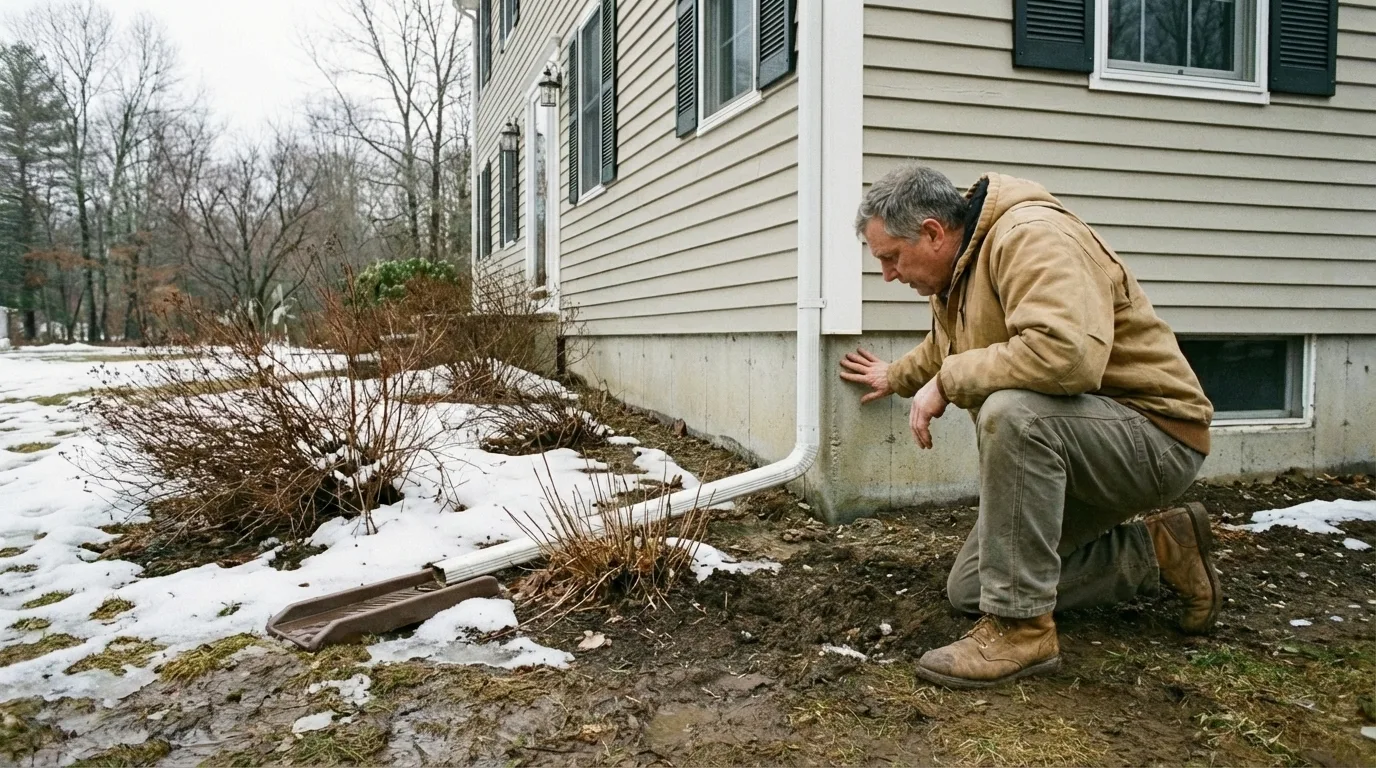
- Maintain gutters and downspouts — clogged gutters dump concentrated water right at the foundation. Extend downspouts at least 4 feet from the house.
- Manage tree roots — keep large trees at least 10 feet from your foundation. Roots exert lateral pressure on walls and draw moisture from soil, causing uneven settlement.
- Monitor crack width seasonally — mark existing cracks with pencil and date them. Cracks that widen in spring (when hydrostatic pressure peaks) and narrow in summer may indicate ongoing water pressure issues that need drainage correction.
Post-Repair Care
After your wall crack is repaired, a few simple steps will protect the seal and help you catch any new issues early:
- Control basement humidity — keep humidity below 60% using a dehumidifier if needed. High humidity causes condensation on walls, which can mask new leaks and promote mold growth.
- Ensure adequate ventilation — stagnant basement air traps moisture. Open vents or run a fan periodically, especially in summer.
- Inspect repaired cracks annually — check for any new cracking adjacent to the repair, fresh efflorescence, or moisture. If you notice anything, call us — warranty callbacks are free. 860-573-8760 (CT) | 617-668-1677 (MA)Inspect repaired cracks annually — check for any new cracking adjacent to the repair, fresh efflorescence, or moisture. If you notice anything, call us — warranty callbacks are free. 860-573-8760 (CT)Inspect repaired cracks annually — check for any new cracking adjacent to the repair, fresh efflorescence, or moisture. If you notice anything, call us — warranty callbacks are free. 617-668-1677 (MA)
The Attack A Crack Advantage
- Lifetime guarantee on all wall crack repairs
- Same-day response to urgent issues
- Free consultations — text us a photo for assessment
- 20+ years of New England foundation experience
- Specialist focus — crack repair is all we do, not a sideline