When you spot a crack in your foundation, your first instinct might be to panic. But here’s the truth: not all foundation cracks are created equal, and understanding the difference could save you thousands of dollars—or prevent a serious structural failure.
The Quick Answer
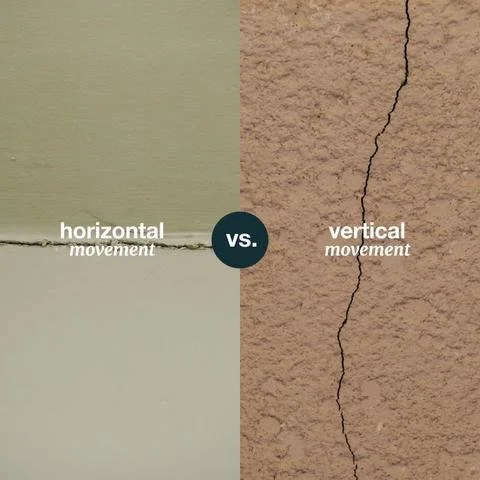
Vertical cracks are usually less concerning than horizontal cracks. Here’s why:
- Vertical cracks typically result from concrete shrinkage during curing or minor settling. They’re common and often harmless.
- Horizontal cracks often indicate serious lateral pressure from soil or water. They require immediate professional attention.
But there’s much more nuance to this, so let’s dive deeper.
Understanding Vertical Foundation Cracks
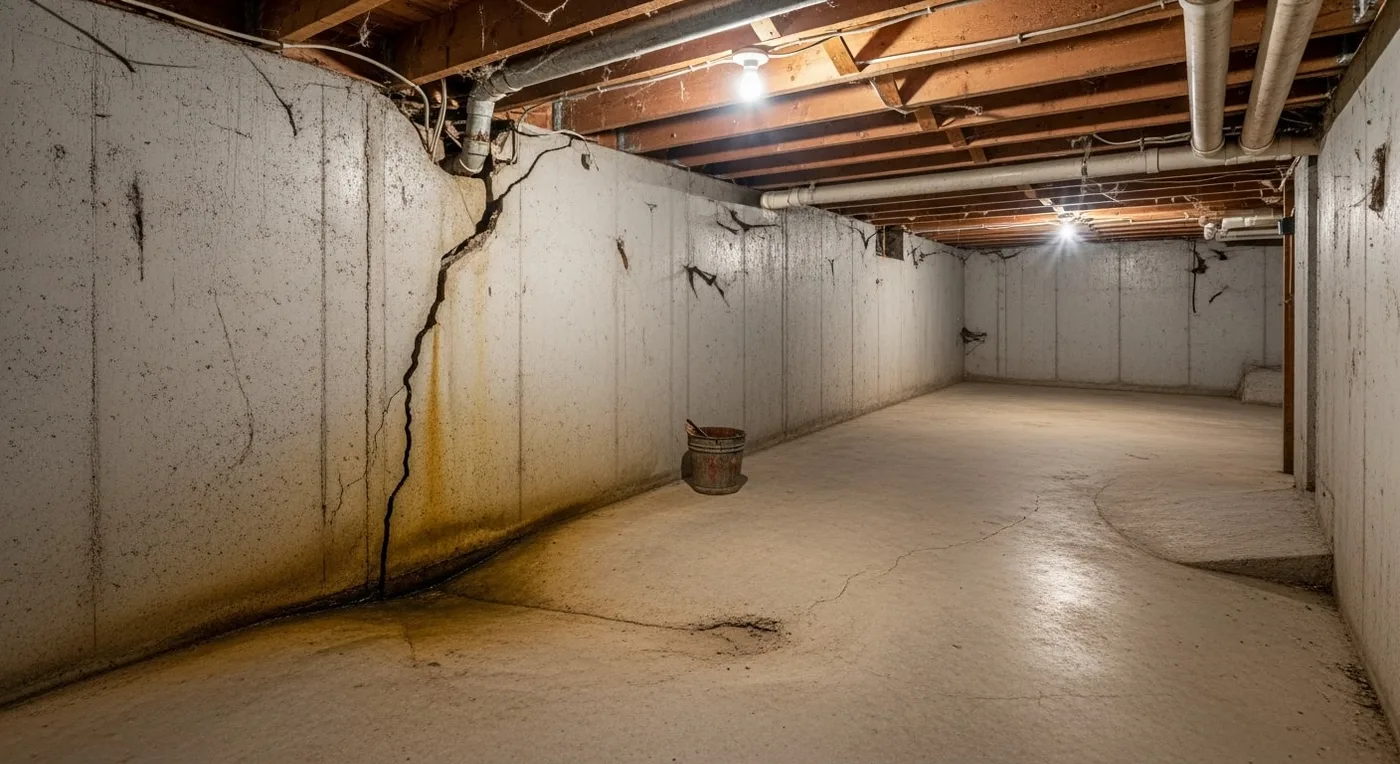
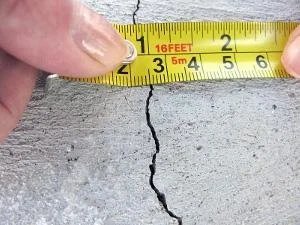
Vertical cracks run straight up and down (or within 30 degrees of vertical). They’re the most common type of foundation crack and usually the least concerning.
Why Vertical Cracks Form
-
Concrete shrinkage: As concrete cures, it loses moisture and shrinks slightly. This shrinkage creates stress that often releases as vertical cracks.
-
Settlement: As a house settles into its foundation (especially in the first few years), minor vertical cracks can develop.
-
Freeze-thaw cycles: Concrete expands and contracts with temperature changes. New England’s relentless freeze-thaw cycles — sometimes dozens per winter — gradually stress the concrete until small vertical cracks form.
When Vertical Cracks Are Concerning
Not all vertical cracks are harmless. Watch for these warning signs:
- Width greater than 1/4 inch: Wider cracks indicate more significant movement
- Growing cracks: If a crack is getting longer or wider over time
- Water infiltration: Even hairline cracks can let water in
- Multiple parallel cracks: Could indicate systematic foundation movement
Understanding Horizontal Foundation Cracks
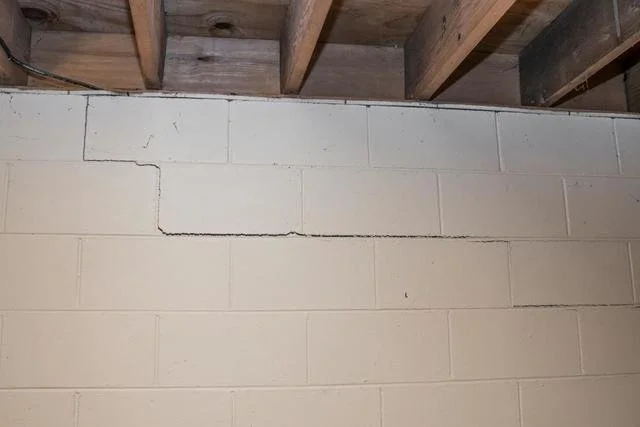
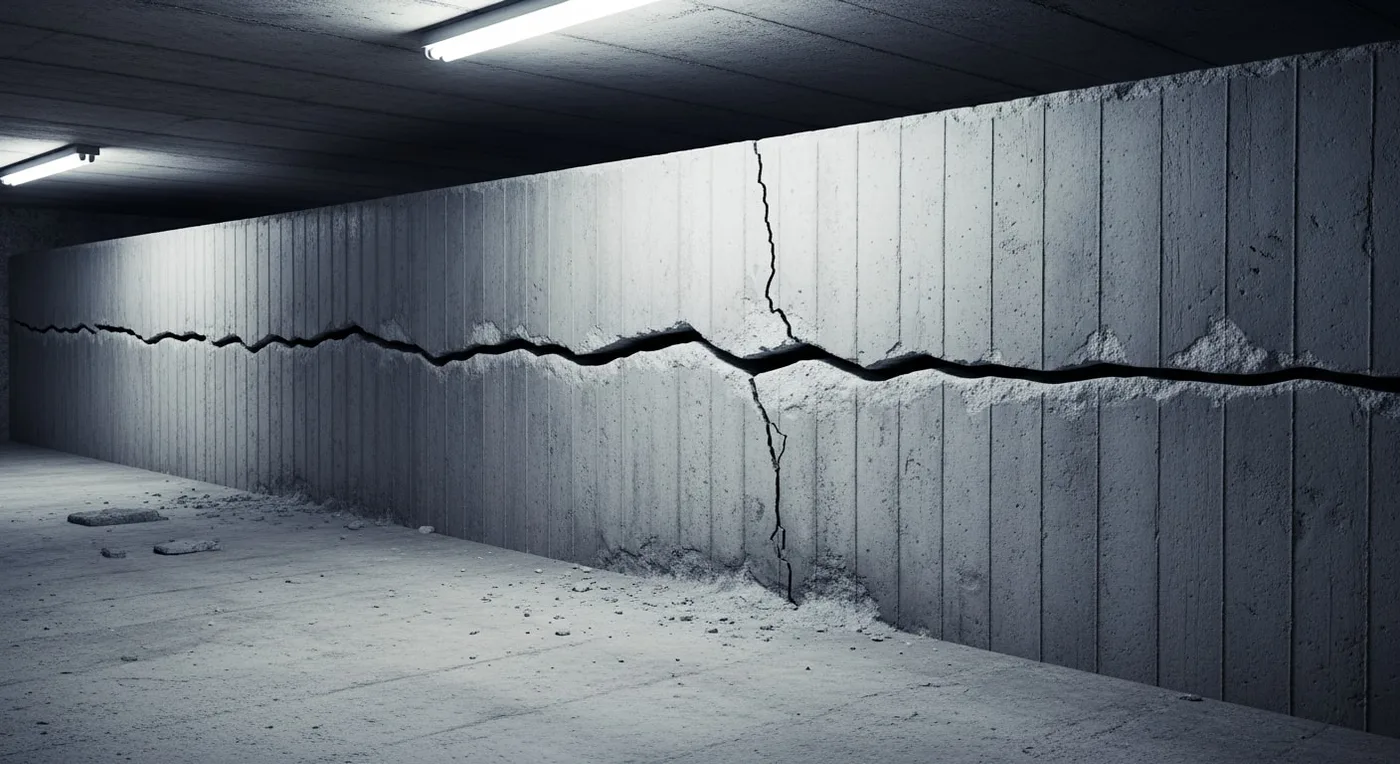
Horizontal cracks run parallel to the ground. They’re much more serious than vertical cracks because they indicate lateral pressure against your foundation wall.
Why Horizontal Cracks Form
- Hydrostatic pressure: Water-saturated soil expands and pushes against your foundation
- Frost heave: Frozen soil expands with tremendous force
- Poor drainage: Water collecting against the foundation increases pressure
- Heavy equipment or vehicles: Parking heavy vehicles too close to the foundation
- Clay-heavy soil and glacial till: New England’s clay-heavy soil and glacial till deposits swell significantly when wet, creating enormous lateral pressure against foundation walls
The Danger of Horizontal Cracks
Horizontal cracks indicate your foundation wall is bowing inward. This is a structural emergency because:
- The wall may eventually fail completely
- The problem will only get worse without intervention
- Repair costs increase dramatically as the wall moves further
If you see horizontal cracks, especially with visible bowing, contact a foundation specialist immediately.
Diagonal Cracks, Stair-Step Cracks, and Other Patterns
These crack patterns fall somewhere between vertical and horizontal in terms of severity. Understanding the difference between diagonal cracks vs stair-step cracks helps you assess urgency.
Diagonal Foundation Cracks
Diagonal cracks (running at a 45-degree angle) typically indicate:
- Corner settlement: One corner of the foundation is sinking
- Point loading: Excessive weight in one area
- Tree roots: Large trees can displace foundation soil
Stair-Step Cracks in Block Foundations
In block or brick foundations, cracks often follow mortar joints in a stair-step pattern. Stair-step cracks are among the most searched foundation crack types — and for good reason. These indicate:
- Differential settlement: Parts of the foundation settling at different rates, often due to uneven clay-heavy soil conditions
- Thermal movement: Expansion and contraction in the block wall from freeze-thaw cycles
- Structural stress: May require carbon fiber staples (also called carbon fiber stitches) to bridge the crack and prevent further movement — typically $200-$300 per stitch location
How to Assess Your Foundation Cracks
Here’s a systematic approach to evaluating foundation cracks:
Step 1: Measure the Crack
Use a pencil to mark the ends of the crack and write the date. Measure the width at several points. Check again in a month.
Step 2: Check for Active Water
Is water currently entering through the crack? Even occasional water infiltration can lead to:
- Mold growth
- Structural deterioration
- Efflorescence (white powder on basement walls)
Step 3: Look for Patterns
Document all cracks in your foundation. Multiple cracks in a pattern often tell a story about what’s happening structurally.
Step 4: Check Floor Level
Use a level or a marble to check if floors near the crack are level. Sloping floors indicate active settlement.
When to Call a Professional
Contact a foundation specialist if you notice:
- Any horizontal crack
- Vertical cracks wider than 1/4 inch
- Cracks that are growing
- Multiple cracks in a pattern
- Water entering through cracks
- Bowing or tilting walls
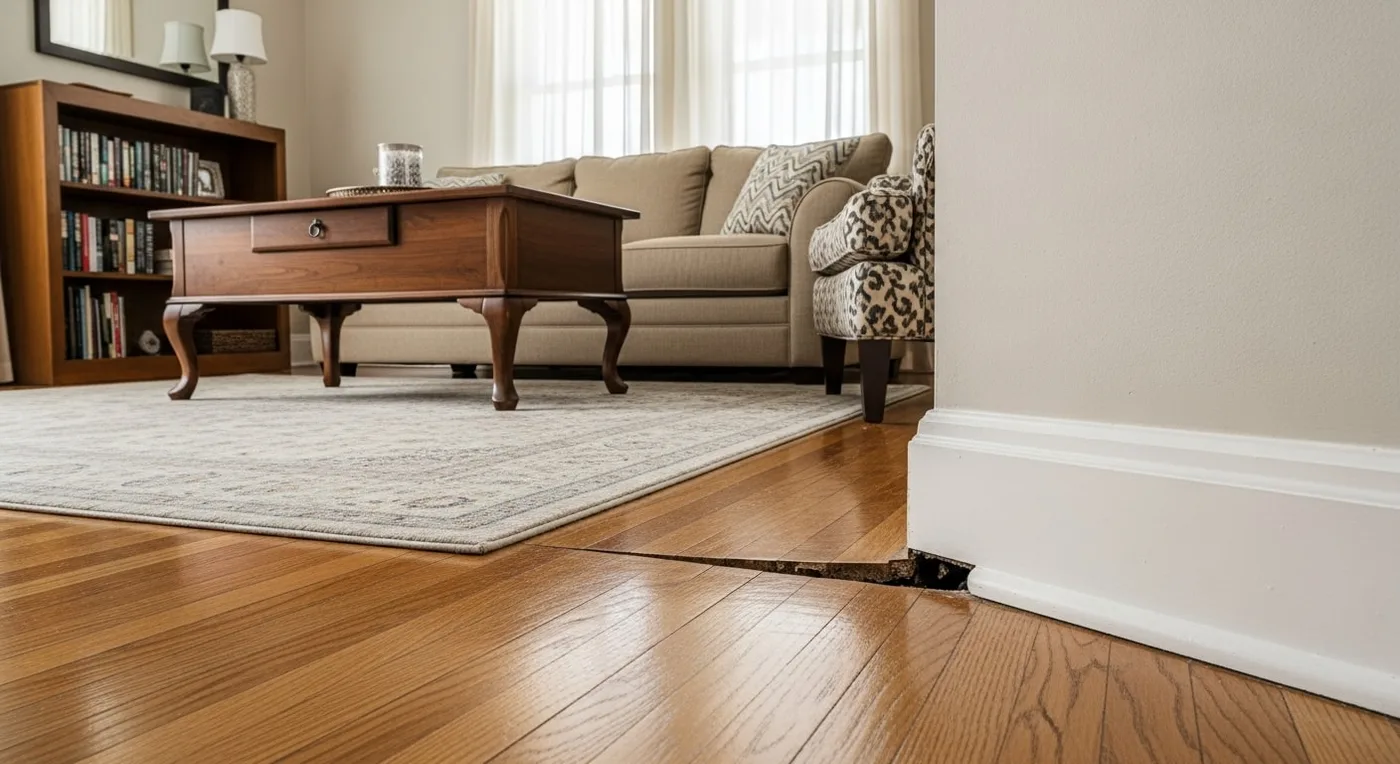
- Doors or windows sticking
How We Repair Foundation Cracks
At Attack A Crack, we use proven injection techniques to permanently repair foundation cracks:
For Most Vertical Cracks: Flexible polyurethane injection fills the entire crack from inside to outside. The material remains flexible, accommodating minor movement without re-cracking.
For Structural Cracks: Epoxy injection creates a bond stronger than the original concrete, plus carbon fiber staples (also called carbon fiber stitches) add reinforcement to prevent further movement. Each stitch costs $200-$300 installed.
For Bowing Walls: Horizontal cracks with bowing require stabilization. We assess severity and recommend appropriate solutions, which may include carbon fiber straps or wall anchors.
The Bottom Line
- Vertical cracks: Usually cosmetic or minor. Monitor them, but don’t panic.
- Horizontal cracks: Take them seriously. They indicate structural pressure that will only worsen.
- When in doubt: Get a professional assessment. Our consultations are free and honest—we’ll tell you if you don’t need repair.
Have a crack you’re worried about? Text us a photo for a free assessment. With 50+ years of combined experience and thousands of projects across New England, we can diagnose your crack from a photo in most cases.
860-573-8760 (CT) | 617-668-1677 (MA)860-573-8760 (CT)617-668-1677 (MA)