It rained last night, and now there’s water on your basement floor. Maybe it’s a puddle in the corner, a wet streak down the wall, or a small river flowing in through your bulkhead stairs.
I’ve been repairing foundations in Connecticut for decades, and this is the most common call we get. Here’s what I tell every homeowner: don’t panic, but don’t ignore it. Water in your basement after rain almost always has a specific, fixable cause.
The Most Common Causes
1. Foundation Wall Cracks
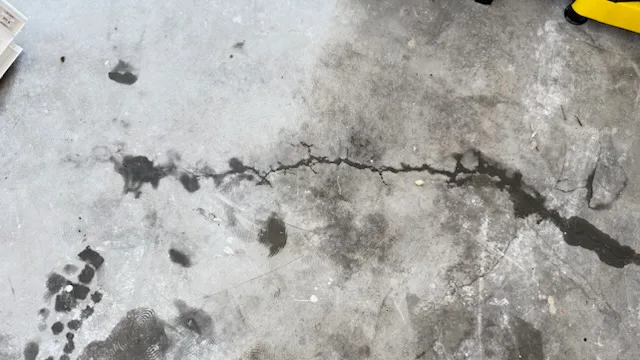
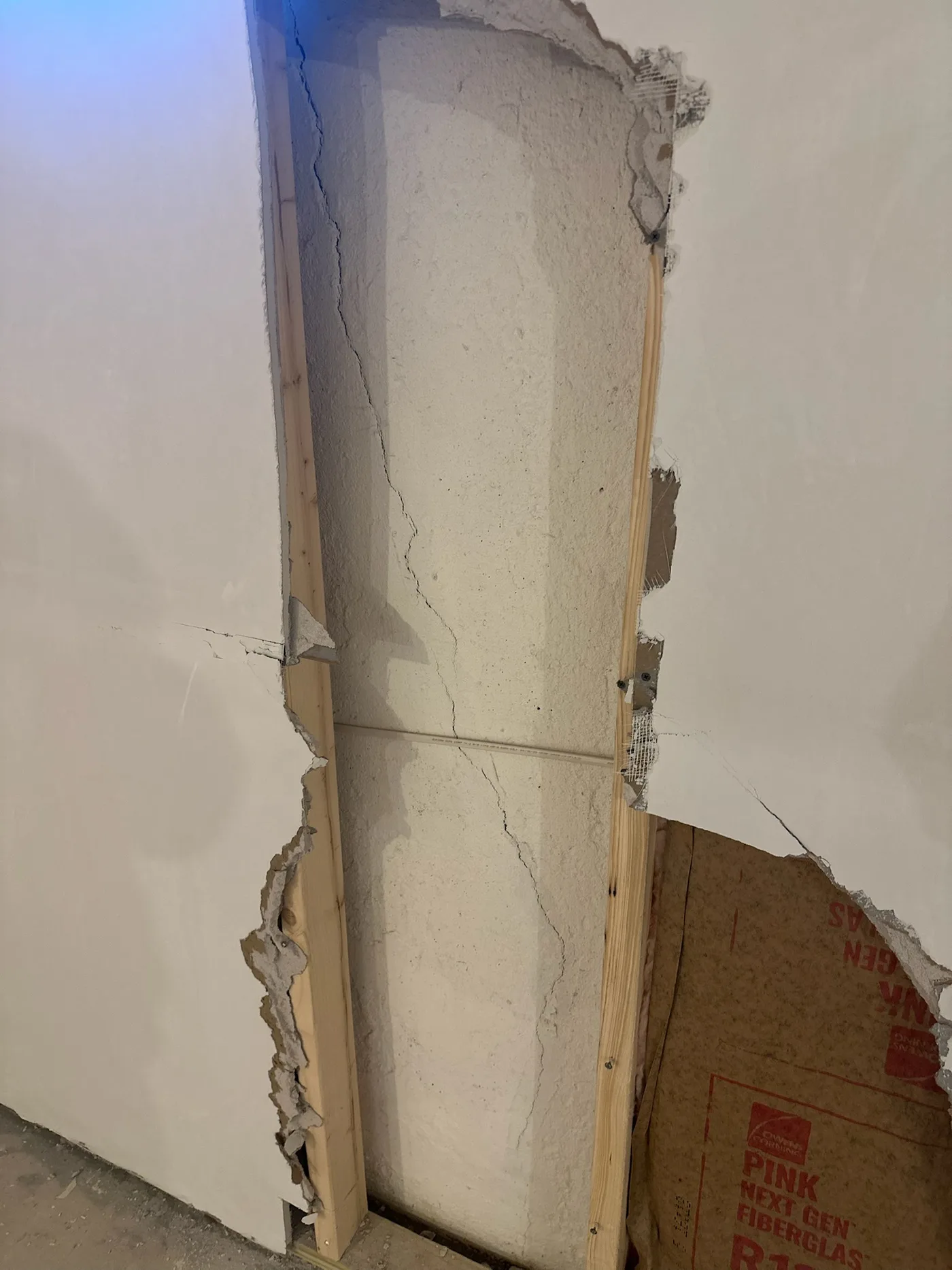
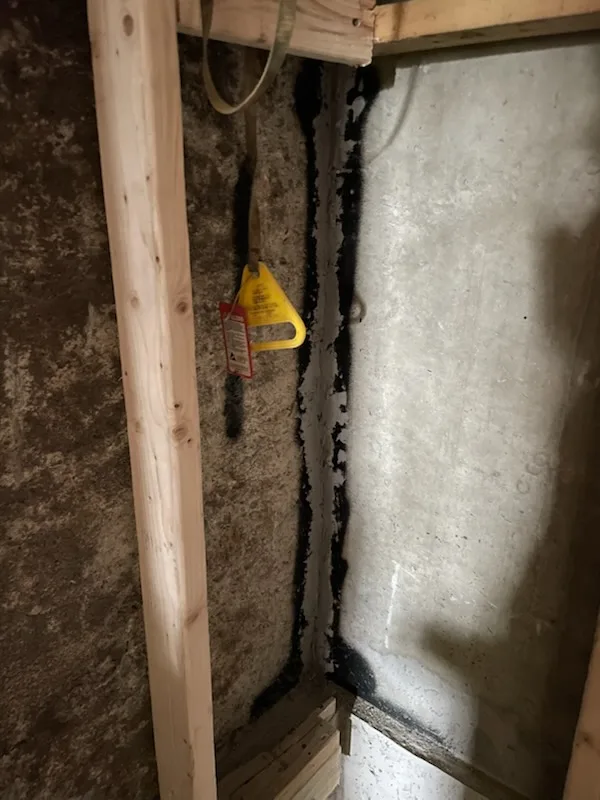
The single most common reason water appears after rain. Your poured concrete foundation has cracks, sometimes visible, sometimes hidden behind finishing, and rainwater saturates the soil and pushes through.
How to spot it: Water at a specific point on the wall, often as a vertical wet streak. The crack might be hidden behind paint or drywall.
The fix: Foundation crack injection seals the crack using flexible urethane that fills from interior to exterior. It typically costs $800-$1,300 per crack and comes with a lifetime guarantee.
2. Bulkhead Leaks
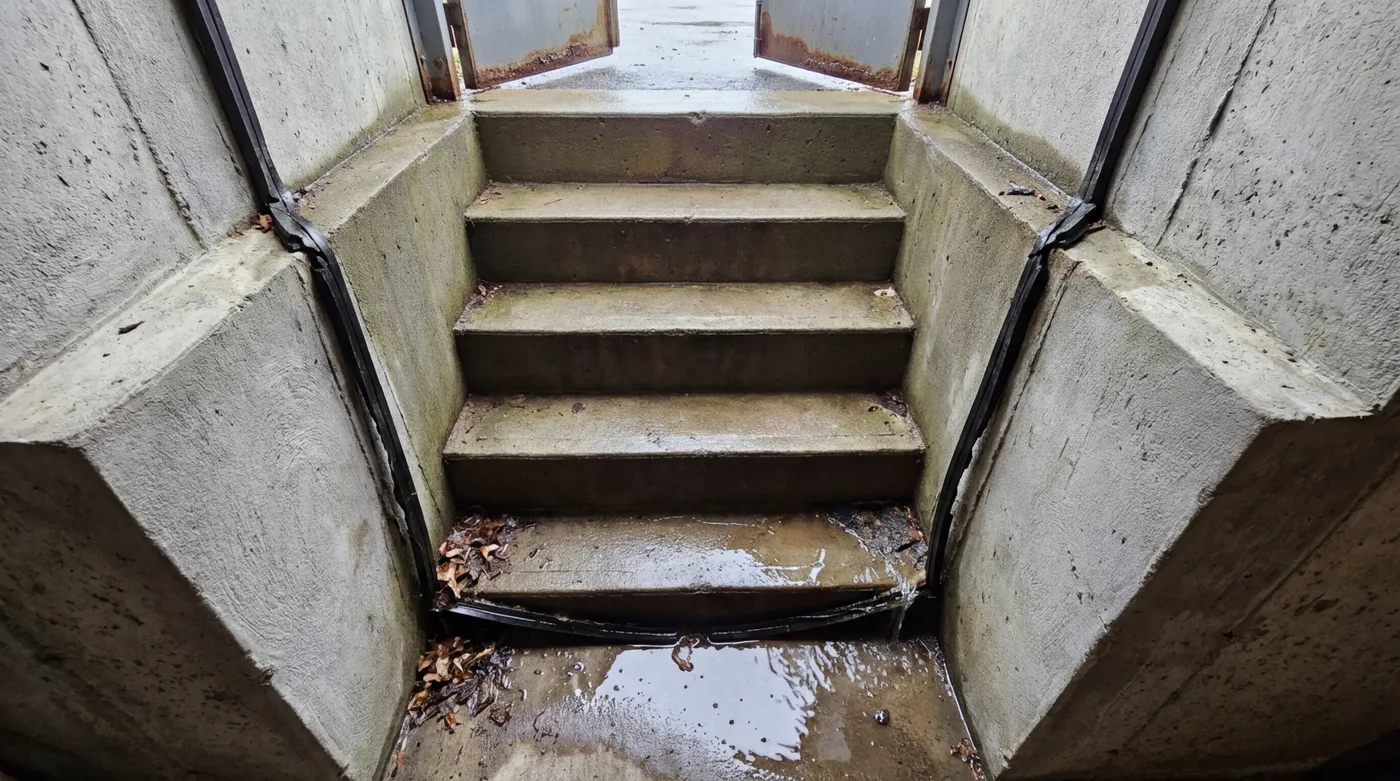
If you have a Bilco-style bulkhead (cellar door), the joint where the precast unit meets your foundation wall is a prime leak location. The original gasket deteriorates over time, and every rainstorm pushes water through.
How to spot it: Water on the bulkhead stairs, puddles at the base, or stains on the basement wall near the bulkhead.
The fix: Bulkhead injection sealing addresses the failed joint with expanding urethane bulkhead sealant. It costs $1,800-$2,500, far more effective and usually cheaper than replacing the entire bulkhead.
3. Window Well Flooding
Basement window wells collect water when drains clog or grading directs water inward. Water pools and seeps through the window frame or wall beneath it.
The fix: Clear the window well drain, ensure surrounding ground slopes away, and install well covers if you don’t have them.
4. Poor Exterior Grading
Ground should slope away from your foundation at least 6 inches over the first 10 feet. When it’s flat or slopes toward the house, rainwater pools against the foundation.
The fix: Re-grade soil to slope away. This straightforward landscaping project can dramatically reduce water pressure on your basement.
5. Gutter and Downspout Problems
Clogged gutters overflow next to the foundation. Short downspouts discharge too close to the house.
The fix: Clean gutters, extend downspouts at least 4-6 feet from the foundation. This is one of the cheapest and most effective ways to reduce basement water.
What to Do Right Now
If you’ve just found water after a rain:
- Document it: Photos and notes on location help with diagnosis
- Protect belongings: Move items from wet areas, get boxes off the floor
- Check for electrical hazards: Water near outlets or panels means call an electrician first
- Remove standing water: A wet/dry vacuum prevents mold growth
- Run a dehumidifier: Reduce moisture to prevent secondary damage
Why Waterproofing Companies Often Aren’t the Answer
Here’s something the waterproofing industry won’t tell you: if your water enters through one or two cracks or a leaky bulkhead, you don’t need a $15,000 interior drainage system. You need the specific entry point sealed. Our basement waterproofing cost guide breaks down what each approach actually costs.
Interior waterproofing systems manage water after it enters. They make sense for widespread seepage, high water tables, or hydrostatic pressure from below. But for the majority of homes I inspect, water enters through identifiable cracks or joints. Sealing those entry points stops it at the source for a fraction of the cost. And if you’re tempted to try a quick fix first, know that Flex Seal and similar products won’t solve basement cracks — they’re surface coatings that peel off within months.
My honest advice: Before signing with a waterproofing company, get a crack repair assessment. If we can identify where water enters and seal it with injection, you’ll spend $800-$2,500 instead of $10,000+. And if your situation genuinely requires waterproofing, I’ll tell you that too. We don’t sell drainage systems, so we have no reason to oversell.
Long-Term Solutions for Water in Your Basement
Once you’ve identified the source, here’s the playbook:
Fix the source first. Seal cracks with professional injection ($800-$1,300 per crack), repair bulkheads with bulkhead sealant injection ($1,800-$2,500), fix pipe penetrations ($650-$1,000 per pipe). Address the specific entry point.
Then reduce water pressure. Improve grading, extend downspouts, clear window well drains. Less water reaching your foundation means less pressure on weak points.
Monitor after repairs. Check repaired areas after the next few rainstorms. Injection repairs should show zero infiltration immediately.
When It’s More Serious
Call a professional immediately if you notice:
- Water entering from multiple locations: May indicate broader drainage issues
- Horizontal cracks with seepage: Horizontal cracks signal structural pressure and need prompt attention
- Water appearing without rain: Could be a high water table, underground spring, or plumbing leak
- Bowing or bulging walls: Structural movement requires more than crack repair
Get a Free Basement Water Assessment
Not sure where your water is coming from? That’s exactly what we diagnose every day. With 50+ years of combined experience and thousands of projects across New England, our consultations are free, and we’ll trace the water to its source. For cracks showing structural movement, carbon fiber staples (stitches) at $200-$300 per stitch add permanent reinforcement.
860-573-8760 (CT) | 617-668-1677 (MA)860-573-8760 (CT)617-668-1677 (MA)
Text us a photo of where the water appears and we’ll give you a quick preliminary assessment.