“When’s the best time to get this fixed?” I hear it every week. Homeowners want to time their foundation repair for ideal conditions — which makes sense. But in 50+ combined years of working across Connecticut, Massachusetts, Rhode Island, New Hampshire, and Maine, I’ve learned something that surprises most people: foundation repair works in every season, and waiting for “the right time” usually makes things worse.
That said, each season has its advantages and considerations. Here’s the honest breakdown.
Spring: When Problems Reveal Themselves
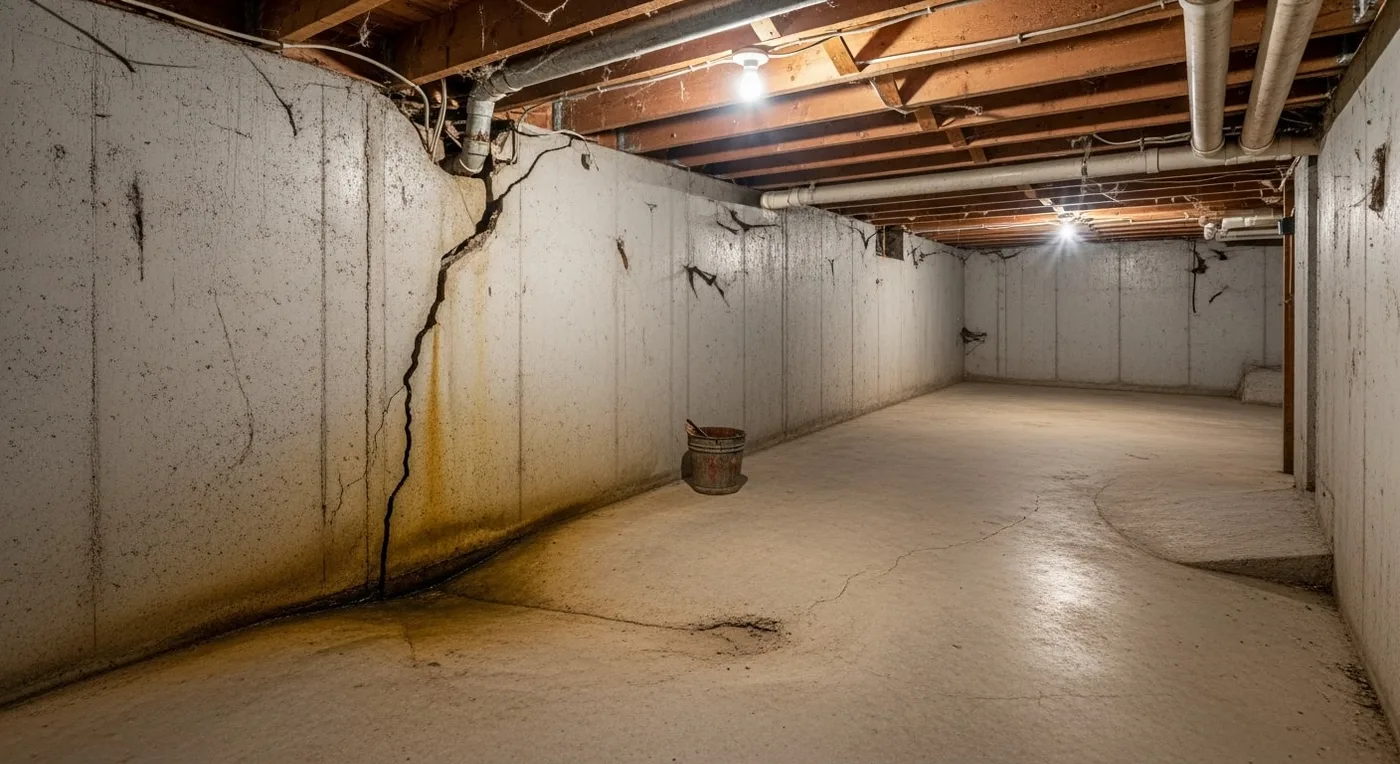
Spring is our busiest season for a reason. The combination of snowmelt, spring rain, and rising water tables creates the conditions that expose foundation weaknesses.
What Happens to Your Foundation
- Snowmelt saturates soil: Months of accumulated snow melt rapidly, flooding the soil around your foundation
- Frozen ground thaws unevenly: As the top layer thaws while deeper soil stays frozen, water can’t drain downward and pools against your foundation
- Water table rises: Connecticut and Massachusetts water tables peak in March through May
- Hydrostatic pressure spikes: All that water creates enormous pressure against your foundation walls and under your basement slab
Spring Repair Considerations
Advantages:
- Active leaks show you exactly where problems are — no guesswork
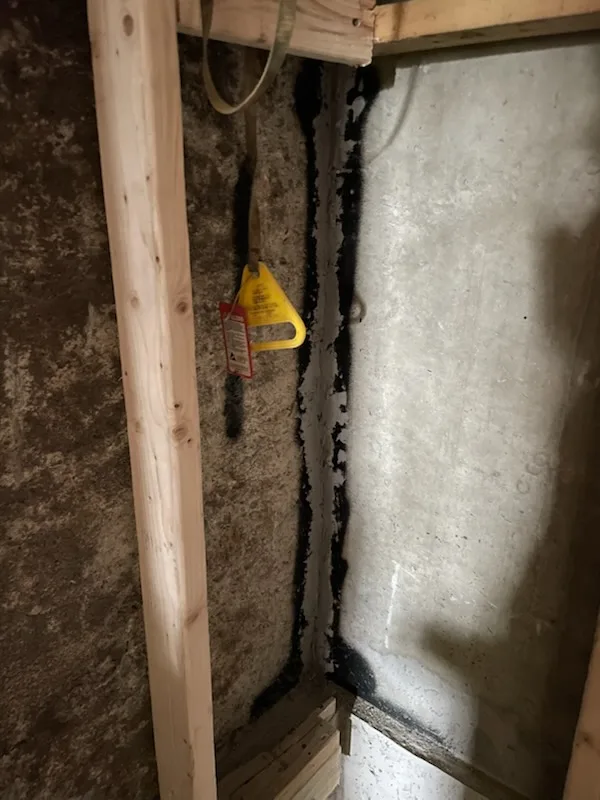
- Water present during repair actually helps polyurethane resin expand and bond (it’s moisture-activated)
- You can see results immediately as water stops coming through
Disadvantages:
- This is our busiest booking period — scheduling may require a few weeks’ lead time
- Exterior work may be limited if ground is still saturated or partially frozen
- Muddy conditions around the perimeter of the home
Best for: Crack injection (active leaks provide ideal conditions), wall crack repair
Summer: The Calm Season
Summer is when most people think of doing home repairs, and it works well for foundation work — but it’s not always when problems are most visible.
What Happens to Your Foundation
- Soil dries and shrinks: Clay soils in Connecticut and western Massachusetts can shrink significantly, pulling away from the foundation
- Thermal expansion: Concrete expands in heat, which can stress existing cracks
- Lower water table: Reduced groundwater means less hydrostatic pressure — leaks may temporarily stop
- Dry conditions: Exterior access is easiest
Summer Repair Considerations
Advantages:
- Dry conditions make exterior work easy
- Longest work days (more daylight hours)
- Concrete curing conditions are optimal
- Access around the foundation is unrestricted
Disadvantages:
- Cracks that leak in spring may appear dry, making them harder to locate
- Homeowners sometimes decide a crack “fixed itself” when the leak stops seasonally — it hasn’t
- Extreme heat can affect certain repair materials (we adjust application accordingly)
Best for: Carbon fiber staples (reinforcement) (epoxy adhesive cures optimally in moderate temperatures), exterior concrete repair (driveways, pool decks, patios)
Fall: The Strategic Window
Fall is my personal recommendation for homeowners who have the luxury of choosing when to act. Here’s why.
What Happens to Your Foundation
- Fall rains re-saturate soil: After summer’s dry spell, autumn rains begin pushing water against your foundation again
- Temperature drops begin: Early freeze-thaw cycles start, especially in northern New England
- Ground hasn’t frozen yet: Full access to exterior foundation for any work that requires it
- Pre-winter preparation: Last chance to address vulnerabilities before the hardest season
Fall Repair Considerations
Advantages:
- Moderate temperatures — ideal for all repair materials
- Ground is accessible but not yet frozen
- You address problems before winter amplifies them
- Booking is typically easier than spring
- You’ll have a dry basement when spring comes
Disadvantages:
- Some leaks may not be active yet (early fall before heavy rains)
- Shorter days as fall progresses
Best for: All repair types. Fall is the most versatile season for foundation work.
Winter: The Season That Surprises People
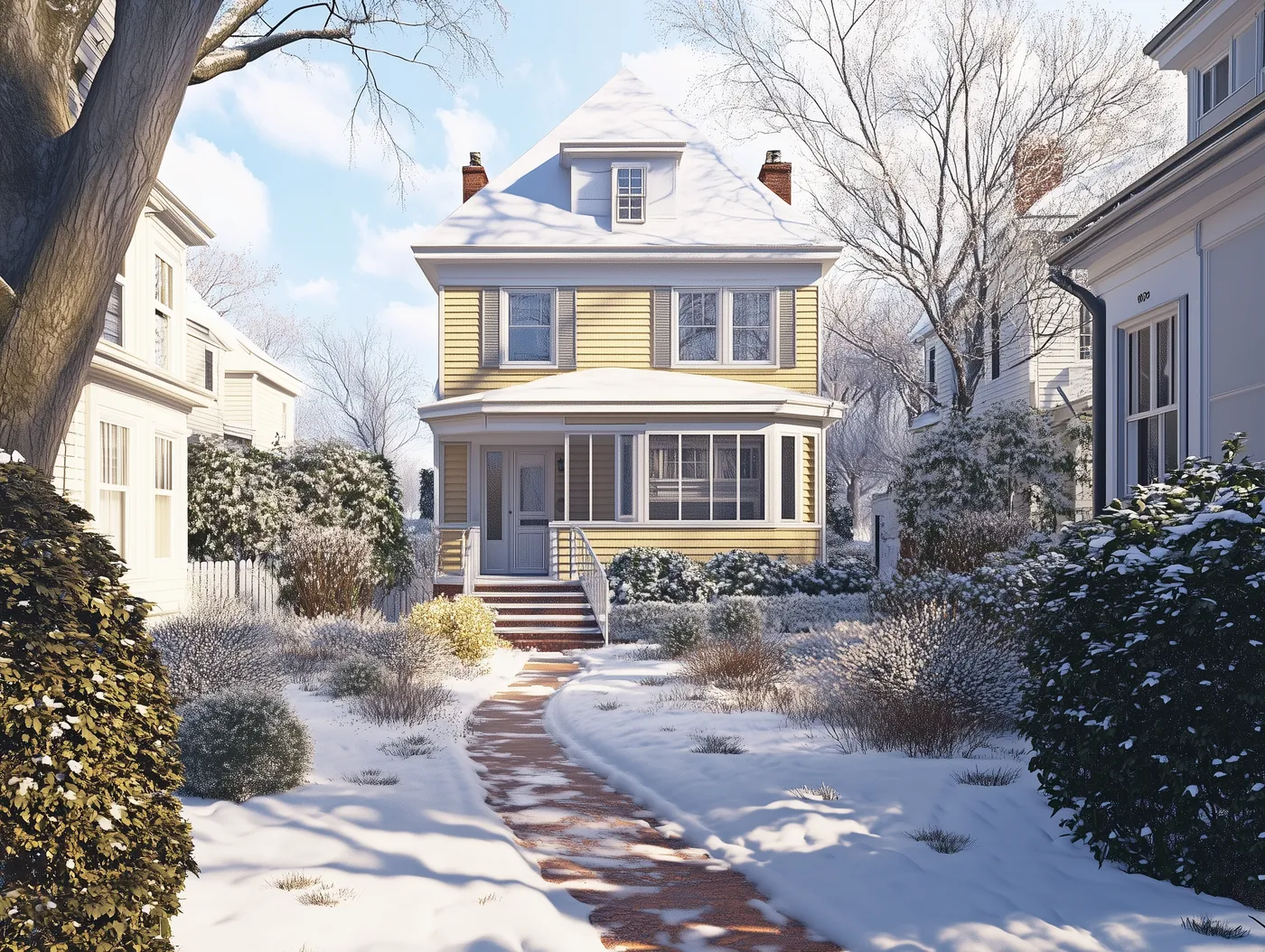
Most homeowners assume foundation repair can’t be done in winter. That’s wrong. Interior foundation repair — which is the majority of what we do — works perfectly well in cold weather.
What Happens to Your Foundation
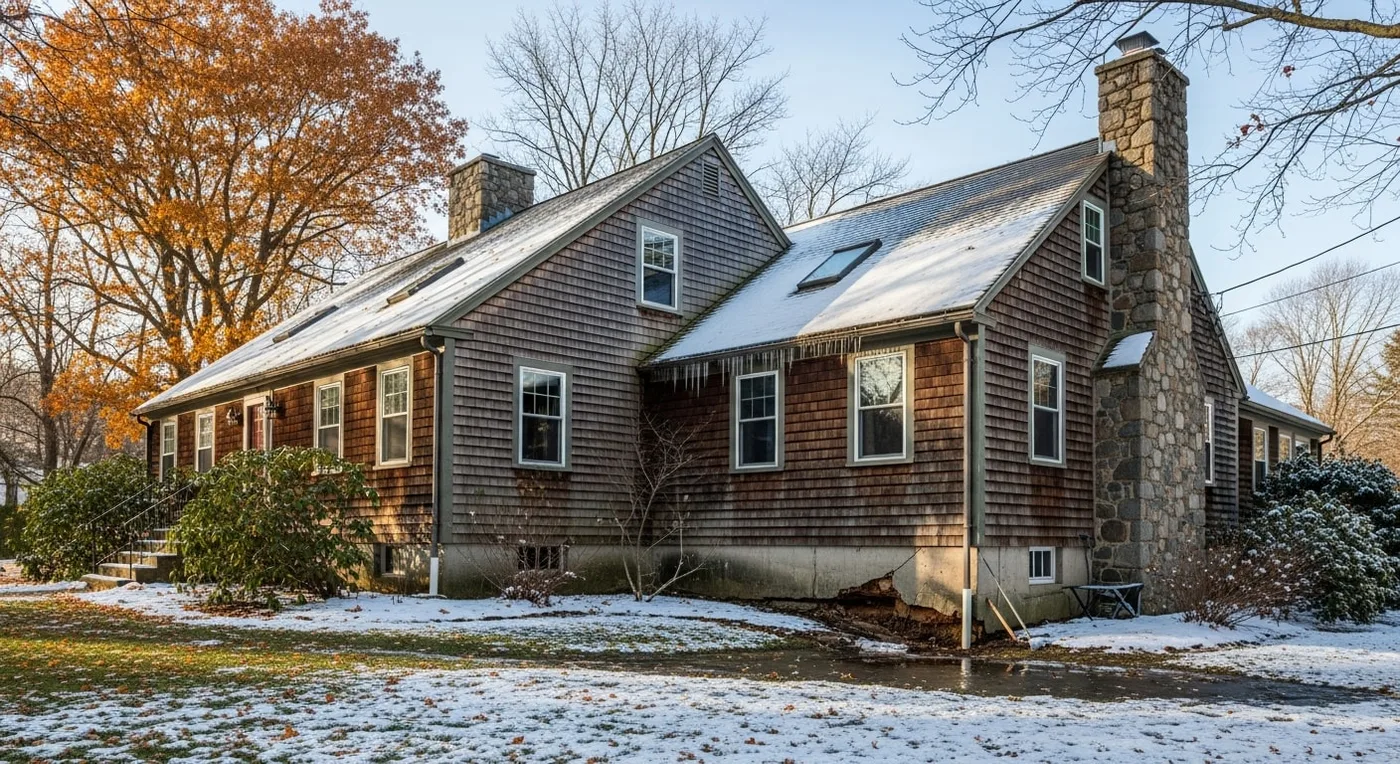
- Ground freezes: Frozen soil — especially New England’s glacial till and clay-heavy soil — expands by up to 9%, pushing against your foundation walls with enormous force
- Frost heave: The deeper the frost line (4+ feet in northern New England), the greater the force
- Ice wedging: Water in existing cracks freezes and expands, widening them
- Freeze-thaw cycling: Even during winter, New England gets thaw cycles that melt and refreeze — each cycle weakens the concrete further
Winter Repair Considerations
Advantages:
- Interior repairs are unaffected by exterior temperature (your basement is climate-controlled enough)
- Our fastest booking availability — most homeowners wait for spring, so you get priority scheduling
- Bulkhead repairs actually benefit from winter conditions: Frozen ground causes maximum joint expansion, and when spring compression comes, it further reinforces the bulkhead sealant
- Polyurethane injection works at any temperature encountered inside a basement
- Prices are consistent year-round (we don’t do seasonal pricing)
Disadvantages:
- Exterior work is limited or impossible when ground is frozen
- Concrete pours (for exterior work) require above-freezing conditions
- Access around the home may be restricted by snow
Best for: Crack injection at $800-$1,300 per crack (interior work, unaffected by weather), bulkhead sealant injection at $1,800-$2,500 (winter conditions actually enhance the bulkhead sealant repair)
The Real Answer: Don’t Wait
Here’s what 50+ years of combined experience has taught me. The best time to repair your foundation is when you discover the problem.
Every season that passes without repair:
- Cracks widen: Water infiltration, freeze-thaw cycles, and ongoing soil pressure make cracks grow
- Water damage accumulates: Mold, efflorescence, rust on steel reinforcement, deteriorating wood framing
- Costs increase: A single crack injection at $800–$1,300 today can become a $6,000–$15,000 wall stabilization job if left for years
- Structural risk grows: What starts as a cosmetic crack can become a structural problem
I’ve seen homeowners wait years for “the right time” and end up paying three to five times what the original repair would have cost. The crack doesn’t care what month it is — it just keeps getting worse.
Season-by-Season Checklist
Spring (March–May)
- Check basement for new leaks after snowmelt
- Inspect foundation walls for new or widened cracks
- Verify sump pump is operational
- Check gutters and downspouts — clear winter debris
Summer (June–August)
- Inspect exterior foundation for cracks, spalling, efflorescence
- Check grading — soil should slope away from foundation
- Repair exterior concrete (walkways and stairs) while conditions allow
- Schedule foundation inspection if you noticed spring leaks
Fall (September–November)
- Address any issues found during summer inspection
- Clean gutters before leaf fall clogs them
- Extend downspouts if needed (6+ feet from foundation)
- Schedule pre-winter repairs for any known cracks or leaks
Winter (December–February)
- Monitor basement for leaks during thaw cycles
- Keep snow cleared from foundation perimeter and bulkhead
- Note any new cracks for spring inspection
- Schedule interior repairs — shortest wait times of the year
Frequently Asked Questions
Can foundation repair be done in winter?
Yes. Interior foundation repairs — including crack injection and bulkhead sealing — work in any season. Your basement stays above freezing, and the polyurethane resin we use is moisture-activated rather than temperature-dependent. Bulkhead repairs actually benefit from winter conditions because frozen ground creates maximum joint expansion, which improves sealant penetration.
What is the cheapest time of year for foundation repair?
Foundation repair pricing doesn’t change by season — at least not at reputable companies. What does change is cost over time: a $800–$1,300 crack repair today can become a $6,000+ wall stabilization if left untreated through multiple freeze-thaw seasons. The cheapest time is always now.
Should I wait until a crack stops leaking to repair it?
No. An active leak tells you exactly where the problem is and provides ideal conditions for polyurethane injection (the resin is moisture-activated). If a crack stops leaking in summer, it doesn’t mean the problem is gone — it means the water table dropped temporarily. The crack is still there and will leak again.