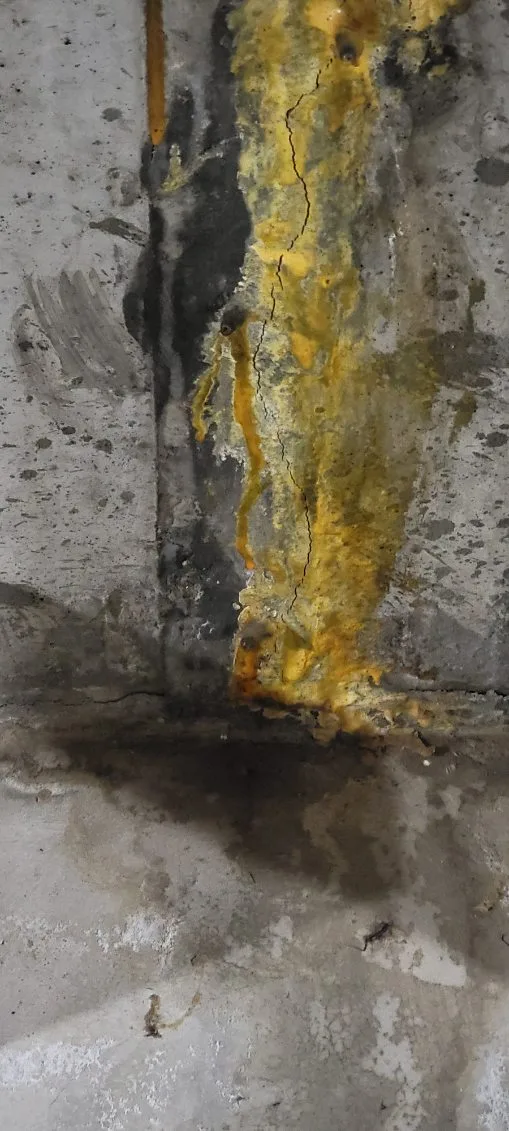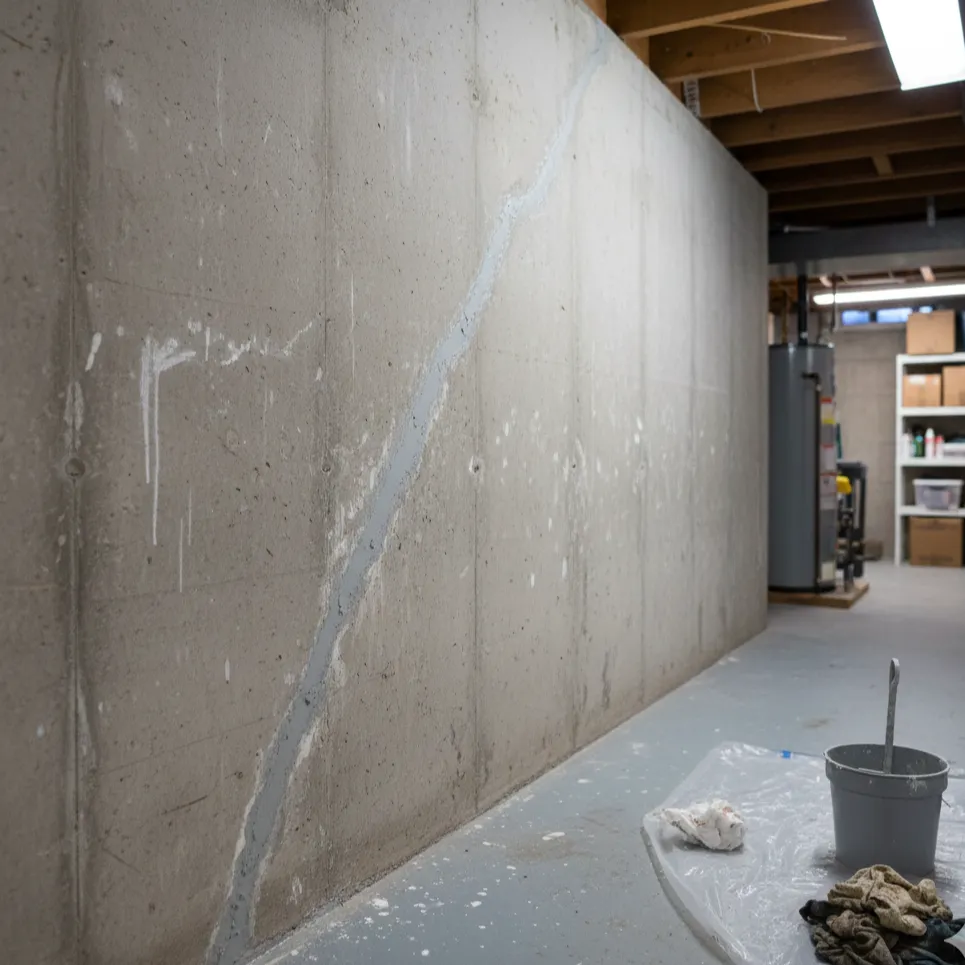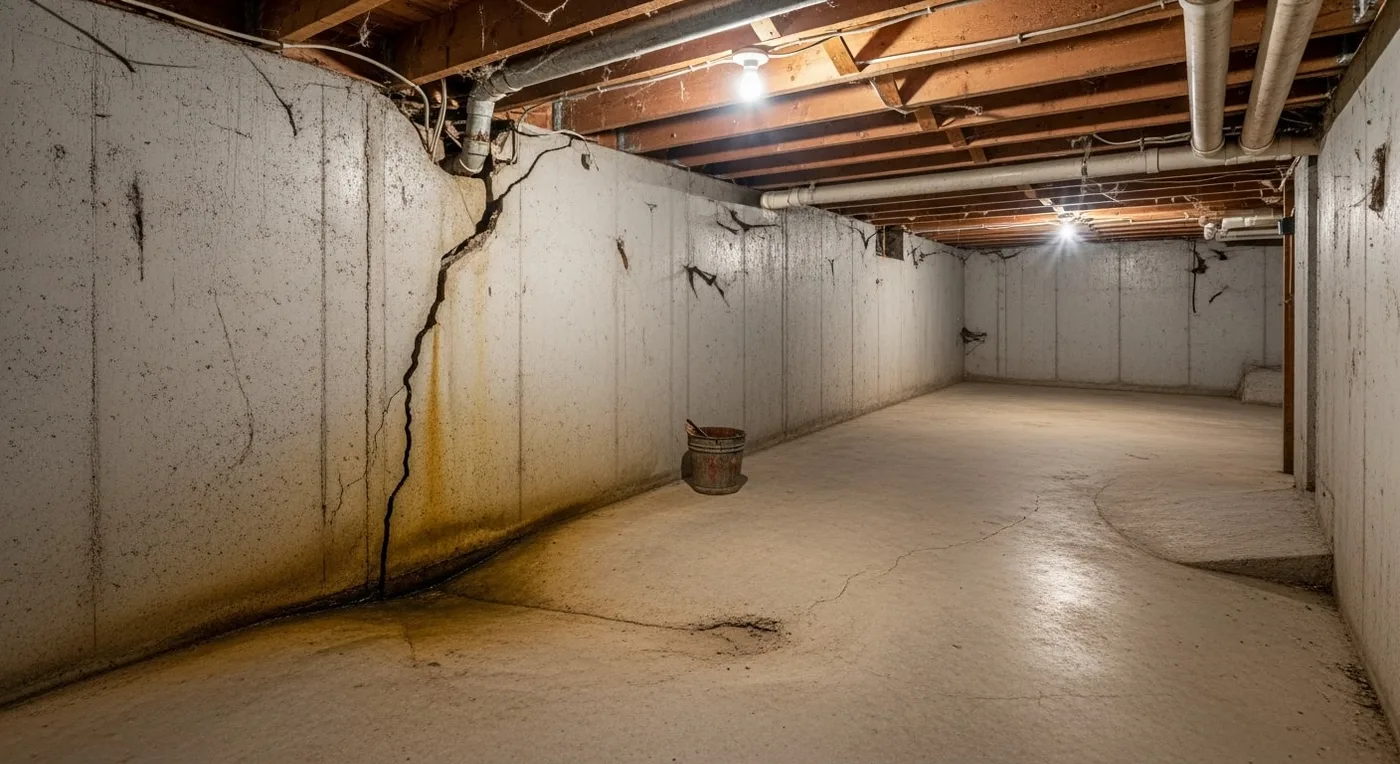
“Will my insurance cover this?” It’s one of the first questions homeowners ask when they find a crack in their foundation. The short answer: probably not — but there are important exceptions.
Understanding what your homeowners insurance actually covers can save you time, frustration, and potentially thousands of dollars. Here’s a straightforward breakdown.
What Homeowners Insurance Typically Covers
Standard homeowners policies (HO-3 in insurance terminology) cover sudden and accidental damage. That’s the key phrase. If something unexpected happens and damages your foundation, you may have a claim.
Covered Scenarios
- Burst pipes: A pipe bursts inside your wall and water erodes the soil under your foundation, causing settlement and cracking. This is sudden, accidental, and typically covered.
- Vehicle impact: Someone drives into your foundation wall. Covered.
- Falling objects: A tree falls on your home and damages the foundation. Covered under most policies.
- Explosion or fire: Damage to the foundation from fire, gas explosion, or similar catastrophic events. Covered.
- Vandalism: Intentional damage by a third party. Covered.
In all these cases, the damage has a clear, sudden cause — and that’s what insurance pays for.
What Insurance Almost Never Covers
Here’s where most homeowners get disappointed. The vast majority of foundation problems fall into categories that insurance excludes.
Normal Wear and Deterioration
Concrete cracks over time. Mortar joints weaken. Foundation walls settle. Insurance companies consider this normal aging, not insurable damage.
Earth Movement and Settling
Foundation settling from soil compaction, erosion, or earth movement is explicitly excluded in nearly every standard policy. This covers:
- Differential settlement causing cracks
- Soil shrinkage during drought
- Soil expansion from clay content
- Erosion from poor drainage
Water Damage from Below
Standard policies cover water damage from above (burst pipes, rain through a damaged roof) but typically exclude water that enters from below. This means:
- Hydrostatic pressure pushing water through floor cracks
- Rising water table seeping through foundation walls
- Groundwater infiltration
This is the category that catches most New England homeowners off guard. Our region’s freeze-thaw cycles, clay-heavy soil and glacial till, and seasonal water table fluctuations cause the majority of foundation issues — and none of it is covered under a standard policy.
Flood Damage
Flooding requires a separate flood insurance policy (NFIP or private). If a flood damages your foundation, your standard homeowners policy won’t pay.
Deferred Maintenance
If an inspector determines that the damage resulted from failure to maintain your property — clogged gutters directing water at the foundation, poor grading, unaddressed drainage issues — the claim will likely be denied.
The Gray Areas
Real-world foundation damage doesn’t always fit neatly into “covered” or “excluded.” Here are situations where the outcome depends on your specific policy and insurer.
Plumbing Leaks Causing Foundation Damage
A sudden pipe burst is usually covered. But a slow leak that gradually erodes soil over months or years? That’s where insurers push back. They’ll argue you should have noticed and addressed it sooner. The longer the leak went undetected, the harder the claim.
Storm Damage
Heavy rain that overwhelms your drainage system and saturates the soil around your foundation is a gray area. If the rain caused a “sudden” event (a washout, a sinkhole), you may have a case. If it just accelerated existing hydrostatic pressure, probably not.
Frost Heave
New England’s freeze-thaw cycles cause enormous foundation damage. Some policies cover “ice damage” but exclude “earth movement.” Frost heave is technically both — ice expanding in the soil, which moves the earth. This is a common dispute in CT and MA claims.
What About Flood Insurance?
FEMA’s National Flood Insurance Program (NFIP) covers foundation damage from flooding, but with limitations:
- Only covers damage from general flooding (rising water affecting 2+ acres or 2+ properties)
- Does not cover basement improvements, finished walls, or contents below the lowest elevated floor
- Foundation coverage is limited to the structural elements themselves
- Maximum dwelling coverage: $250,000
If you’re in a flood zone — and many Connecticut River Valley and coastal Massachusetts communities are — a flood policy is worth having regardless of foundation concerns.
How to Navigate a Foundation Repair Claim
If you believe your foundation damage has a covered cause, here’s how to approach it.
Document Everything Immediately
Before you touch anything:
- Photograph the damage from multiple angles, with a ruler or tape measure for scale
- Document the cause if visible (the burst pipe, the fallen tree, standing water)
- Note the date you discovered the damage
- Check for related damage inside the home — drywall cracks, stuck doors, sloping floors
Get a Professional Assessment First
Before filing a claim, get an independent foundation inspection. At Attack A Crack, our free foundation consultations give you an honest assessment of what’s going on, what caused it, and what the repair involves. This helps you determine whether you even have an insurable event before involving your carrier.
File Promptly
Most policies require you to report damage “as soon as practicable.” Waiting weeks or months weakens your claim and may violate policy terms.
Get a Detailed Repair Estimate
Insurance adjusters need specifics. A professional repair estimate should include:
- Exact description of the damage and its cause
- Proposed repair method (crack injection, wall stabilization, etc.)
- Itemized costs for materials, labor, and any excavation
- Timeline for the repair
Be Prepared for Pushback
Insurance companies deny foundation claims at high rates. If your claim is denied:
- Request the denial in writing with the specific policy language they’re citing
- Review your policy carefully — exclusion language varies significantly between carriers
- Consider a public adjuster — they work for you, not the insurance company, and take a percentage of the settlement
- File a complaint with your state’s insurance department if you believe the denial is improper
What Repairs Typically Cost Without Insurance
Since most foundation repairs come out of pocket, it helps to know the real numbers. In Connecticut and Massachusetts:
| Repair Type | Typical Cost |
|---|---|
| Single crack injection | $800–$1,300 |
| Bulkhead sealant (injection) | $1,800–$2,500 |
| Carbon fiber staples (reinforcement) | $200–$300 per stitch |
| Full wall stabilization | $6,000–$15,000 |
For a complete breakdown, see our Foundation Repair Cost Guide 2026.
How to Protect Yourself Going Forward
Even if insurance won’t cover your current repair, there are steps to prevent future damage and strengthen future claims.
Maintain Your Drainage
Keep gutters clean, extend downspouts 6+ feet from the foundation, and maintain positive grading away from the house. Good drainage prevents the soil saturation that causes most foundation problems in New England.
Consider Additional Coverage
- Water backup/sump pump endorsement: Covers damage from sewer backup or sump pump failure. Usually $50-150/year.
- Flood insurance: Required in flood zones, smart in many Connecticut River Valley and coastal MA areas.
- Foundation endorsement: Some carriers offer specific foundation coverage as an add-on. Ask your agent.
Address Problems Early
Small cracks are cheaper to fix than big ones. A single crack injection at $800–$1,300 today prevents a $6,000+ wall stabilization later. Early repair also means you can’t be accused of deferred maintenance if a covered event later causes additional damage.
Keep Records
Document your home’s condition annually. Photograph your foundation walls, note any existing cracks, and keep receipts for maintenance and repairs. If you ever need to prove that damage was “sudden” rather than gradual, this baseline documentation is invaluable.
Frequently Asked Questions
Does homeowners insurance cover foundation cracks?
Generally no. Most foundation cracks result from settling, hydrostatic pressure, or freeze-thaw cycles — all excluded under standard policies. Insurance covers foundation damage only when caused by a sudden, accidental covered event like a burst pipe, vehicle impact, or fallen tree.
Should I file an insurance claim for foundation repair?
Only if the damage has a clear covered cause (burst pipe, fallen tree, vehicle impact). Filing claims for damage that’s likely excluded can result in a denial on your record without any payout. Get a free professional assessment first to understand the cause before contacting your insurer.
Can I get foundation repair financing if insurance won’t pay?
Yes. We offer flexible payment plans through Affirm on every repair. When you receive your invoice, choose a monthly plan that fits your budget — 3 to 36 months, no hidden fees, no prepayment penalties. Some repairs like a single crack injection ($800-$1,300) are manageable out of pocket; for larger jobs, Affirm makes it affordable. Ask about payment options during your free consultation.