Your driveway is the most abused concrete surface on your property. It handles vehicle weight, freeze-thaw cycles, road salt, snowplow blades, and UV exposure — all year, every year. New England’s glacial till and clay-heavy soil make settlement beneath driveways especially common. In Connecticut and Massachusetts, that combination is brutal.
Important: This guide covers concrete driveways only. If your driveway is asphalt (blacktop), the repair methods, products, and costs discussed here do not apply. Asphalt driveways require completely different materials and techniques, and we do not work on asphalt surfaces. If you’re not sure whether your driveway is concrete or asphalt, concrete is typically light gray and asphalt is black.
If your concrete driveway is cracking, here’s how to figure out what’s happening, what to do about it, and how to prevent it from getting worse.
Types of Driveway Cracks
Not all cracks are the same. The type tells you the cause, which determines the right repair.
Hairline Cracks
Width: Less than 1/8 inch Cause: Normal concrete shrinkage during curing. Nearly every concrete driveway develops hairline cracks within the first few years. Urgency: Low — but seal them before winter. Water penetration plus freeze-thaw turns hairline cracks into real ones.
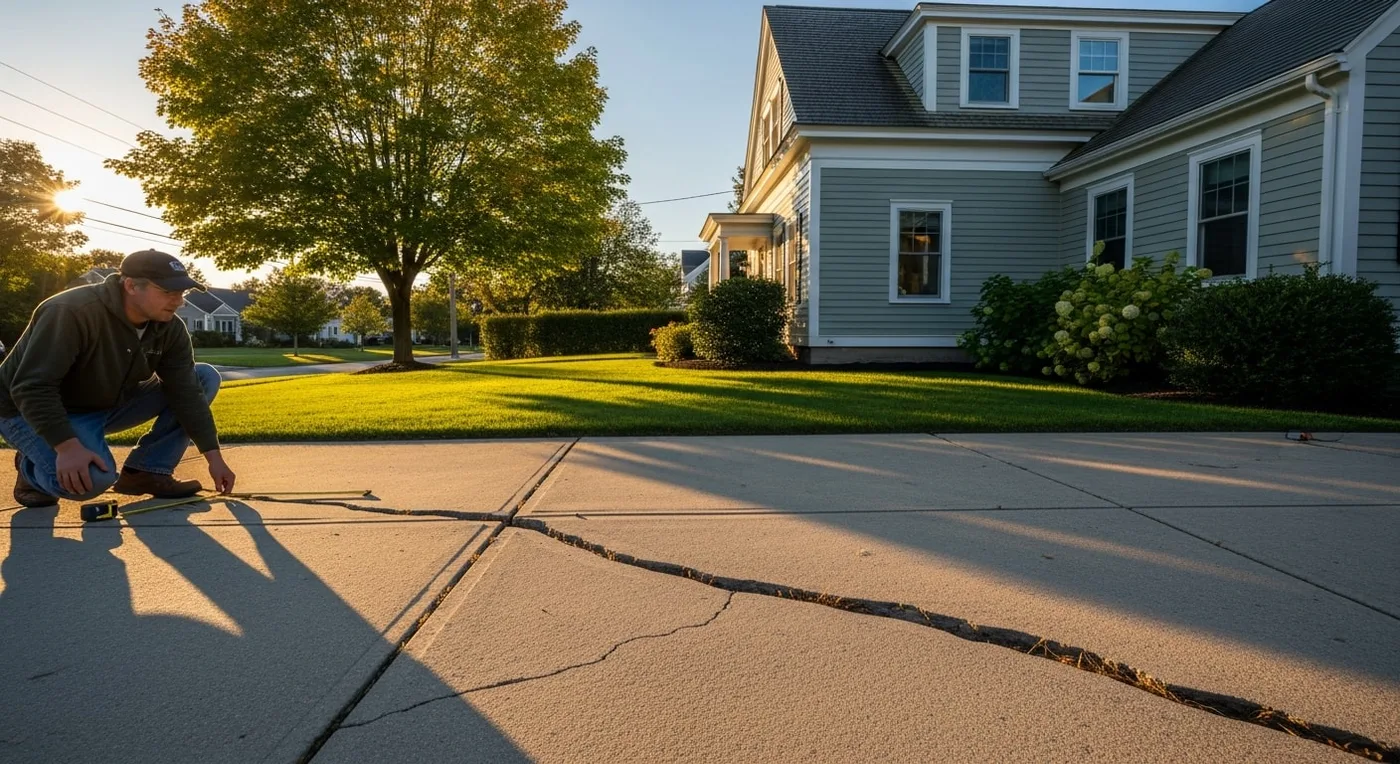
Linear Cracks
Width: 1/8 inch to 1/2 inch, running in a straight line Cause: Usually follows the direction of a control joint that should have been cut during installation, or runs parallel to the edges. Can also indicate subgrade settlement along a utility trench. Urgency: Moderate. Fill or seal to prevent freeze-thaw widening.
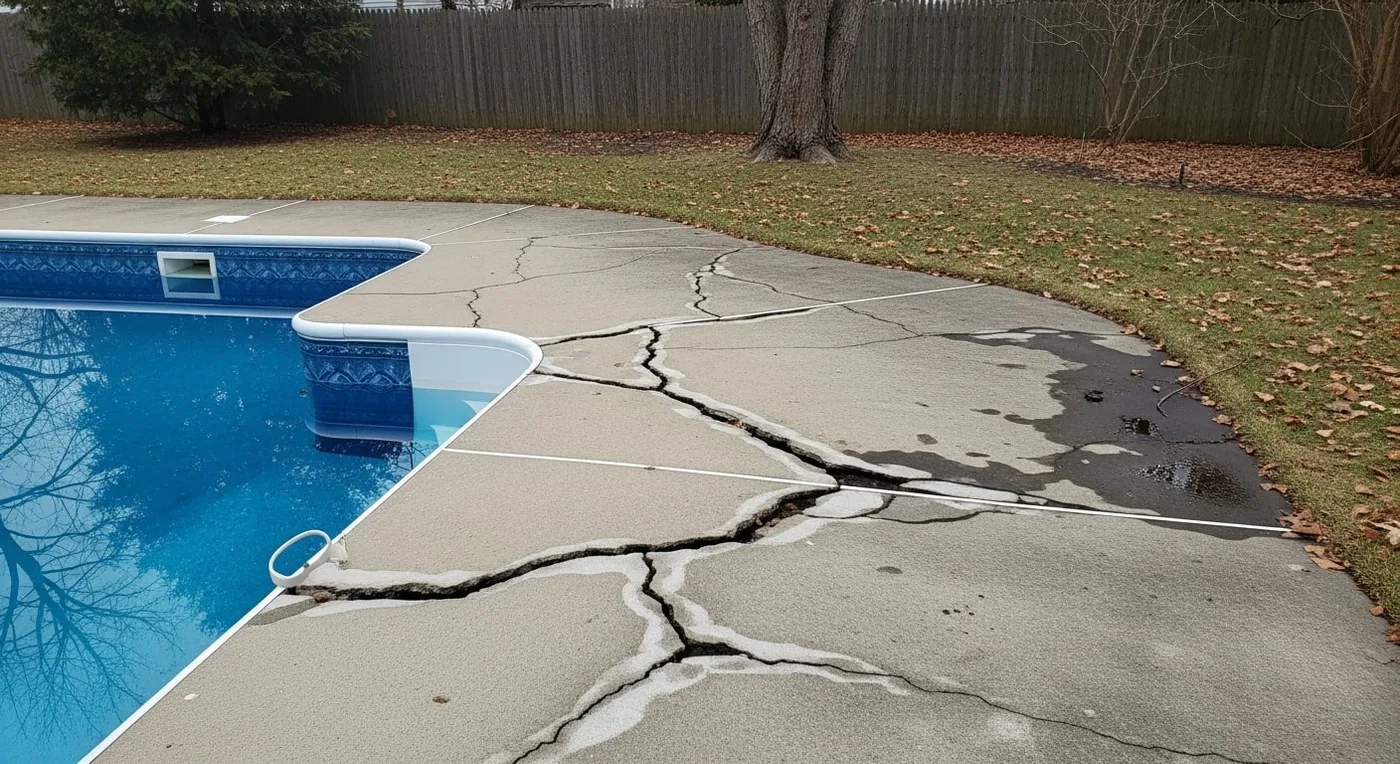
Map Cracking (Alligator Pattern)
Width: Varies, typically interconnected cracks forming a pattern like dried mud Cause: Often caused by a poor concrete mix (too much water), insufficient curing, or surface finishing before bleed water evaporated. Also develops from long-term freeze-thaw exposure on unsealed concrete. Urgency: High for surface integrity. Map cracking accelerates quickly once it starts because each crack lets in more water.
Heaving Cracks
Width: Varies, with one side raised higher than the other Cause: Frost heave pushing sections of the driveway upward, or tree root growth beneath the slab. Urgency: High. Creates trip hazards and vehicle damage. The underlying cause (frost depth, roots) needs to be addressed.
Corner Breaks
Width: Triangular sections broken off at slab corners Cause: Inadequate support under the corner — usually sub-base erosion from poor drainage. Corners are the weakest point in any slab. Urgency: Moderate. Won’t spread quickly but creates a tripping hazard and water entry point.
Spalling and Flaking
Not a crack per se, but a common driveway problem in New England. The surface layer pops off in flakes or scales, exposing rough aggregate underneath. Cause: Freeze-thaw cycles in concrete that wasn’t air-entrained, salt damage, poor finishing, or sealer applied too thickly. Urgency: Moderate to high. Spalling accelerates quickly and makes the surface look terrible.
DIY Repairs That Actually Work
For minor cracks and cosmetic issues, DIY repairs are reasonable. Here’s what works and what doesn’t.
Crack Filling (Hairline to 1/4 Inch)
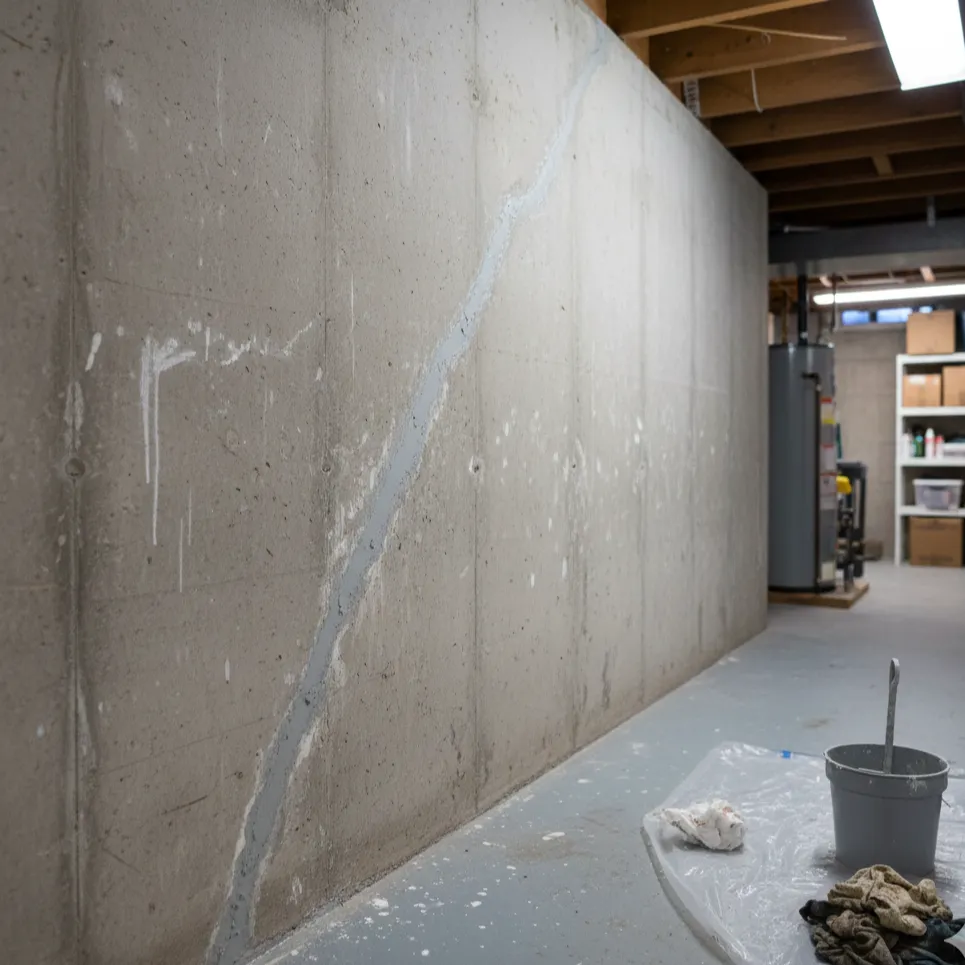
What to use: Flexible polyurethane caulk (like Sikaflex or Quikrete Polyurethane Self-Leveling Sealant). Avoid rigid fillers — they’ll crack again with the next temperature swing.
Steps:
- Clean the crack with a pressure washer or wire brush. Remove all dirt, debris, and old filler
- For cracks deeper than 1/2 inch, push closed-cell backer rod into the crack first
- Apply self-leveling sealant, filling to just below the surface
- For vertical or wide cracks, use a non-sag formula instead of self-leveling
- Allow 24-48 hours before traffic
Tips:
- Apply on a dry day between 50°F and 80°F
- Don’t overfill — excess material tracks onto shoes and tires
- Self-leveling products work great for flat driveways but run off slopes
Surface Patching (Spalling Areas)
What to use: Polymer-modified concrete resurfacer (Quikrete Concrete Resurfacer or similar). Not regular concrete mix — you need the polymer bond to adhere to existing concrete.
Steps:
- Pressure wash the area thoroughly
- Remove all loose and flaking concrete with a chisel or grinder
- Dampen the surface (wet but not puddled)
- Mix resurfacer to a pourable consistency
- Pour and spread with a squeegee, working in sections
- Broom finish for traction before it sets
- Mist with water and keep damp for 24 hours (curing)
Limitations: This only works if the underlying concrete is solid. If the damage goes deeper than 1/2 inch, patching is a temporary fix.
What Doesn’t Work
- Concrete caulk on wide cracks: Anything over 1/2 inch needs more than caulk. It’ll pull apart.
- Dry-pack concrete in cracks: Shrinks as it cures and pops out.
- Painting over spalled areas: Paint doesn’t bond to deteriorated concrete and peels almost immediately.
- Epoxy on an active crack: If the crack is still moving from settlement or frost heave, rigid epoxy will crack again.
When to Hire a Professional
DIY works for surface-level issues. These situations need professional attention:
Structural Settlement
If your driveway has sections that have sunk or heaved significantly (more than 1/2 inch difference between adjacent sections), the problem is in the sub-base, not the surface. Professional slab jacking (foam injection) can lift settled sections without full replacement.
Extensive Map Cracking
When map cracking covers more than 25-30% of the driveway surface, patching individual cracks isn’t practical. A full resurfacing overlay or replacement is more cost-effective and longer-lasting.
Trip Hazards
Raised edges from heaving or settlement that create a trip or stub hazard should be addressed by a professional who can grind, lift, or replace the affected sections.
Major Concrete Deterioration
If the concrete crumbles when you probe it with a screwdriver, or you can see rebar exposed and rusting, the concrete has failed structurally. No surface repair will fix this — it needs section replacement.
Our driveway repair services cover the full range from crack repair to section replacement across Massachusetts.
Prevention: How to Make Repairs Last
The best driveway repair is the one you don’t need. Here’s how to protect your investment.
Seal Your Driveway
A penetrating concrete sealer is the single most important thing you can do for your driveway in New England. It prevents water from entering the concrete, which eliminates the freeze-thaw damage that causes most cracking.
- Apply every 2-3 years
- Use a penetrating silane/siloxane sealer (not a film-forming sealer that peels)
- Apply to clean, dry concrete
- Two thin coats are better than one thick coat
Minimize Salt Exposure
Road salt (sodium chloride) and calcium chloride both attack concrete. Minimize deicer use:
- Use sand for traction instead of salt where possible
- If you must use deicer, apply sparingly
- Never use ammonium-based deicers on concrete (they destroy it rapidly)
- Rinse salt residue off the driveway in spring
Manage Drainage
Water pooling on or flowing across your driveway accelerates every type of damage:
- Maintain the driveway slope for drainage
- Keep gutters and downspouts directing water away from the driveway
- Fill low spots where water pools
Control Joints
If your driveway doesn’t have control joints (grooves cut every 8-10 feet in both directions), cracking will be random. When you do any section replacement, add proper control joints.
Address Cracks Promptly
Fill cracks before winter. A hairline crack filled in October stays a hairline crack. That same crack unfilled through a New England winter becomes a 1/4 inch crack by spring. Two winters later, it’s a broken slab.
Cost Expectations
| Repair Type | DIY Cost | Professional Cost |
|---|---|---|
| Crack filling (per linear foot) | $1–$3 | $5–$12 |
| Surface resurfacing (per sq ft) | $1–$2.50 | $5–$12 |
| Slab jacking (per section) | N/A | $800–$2,000 |
| Section replacement (per sq ft) | N/A | $10–$20 |
| Full driveway replacement | N/A | $10–$20/sq ft |
For a typical 2-car driveway (400-600 sq ft), full replacement runs $4,000–$12,000. Professional resurfacing runs $2,000–$7,200. Crack filling a few cracks yourself costs $50-$150 in materials.
Frequently Asked Questions
What is the best filler for driveway cracks?
For cracks up to 1/4 inch, use a flexible polyurethane self-leveling sealant. For wider cracks (1/4 to 1/2 inch), use a non-sag polyurethane caulk with backer rod. The key word is “flexible” — rigid fillers crack again during New England’s temperature swings. Avoid cheap latex-based fillers, which shrink and pull away within a season.
How long does a concrete driveway last in New England?
A properly installed and maintained concrete driveway lasts 25-50 years in New England. The biggest variable is maintenance: a sealed driveway that gets prompt crack repair can last decades longer than a neglected one. Air-entrained concrete (specified during installation) is essential for our freeze-thaw climate.
Should I repair or replace my cracked driveway?
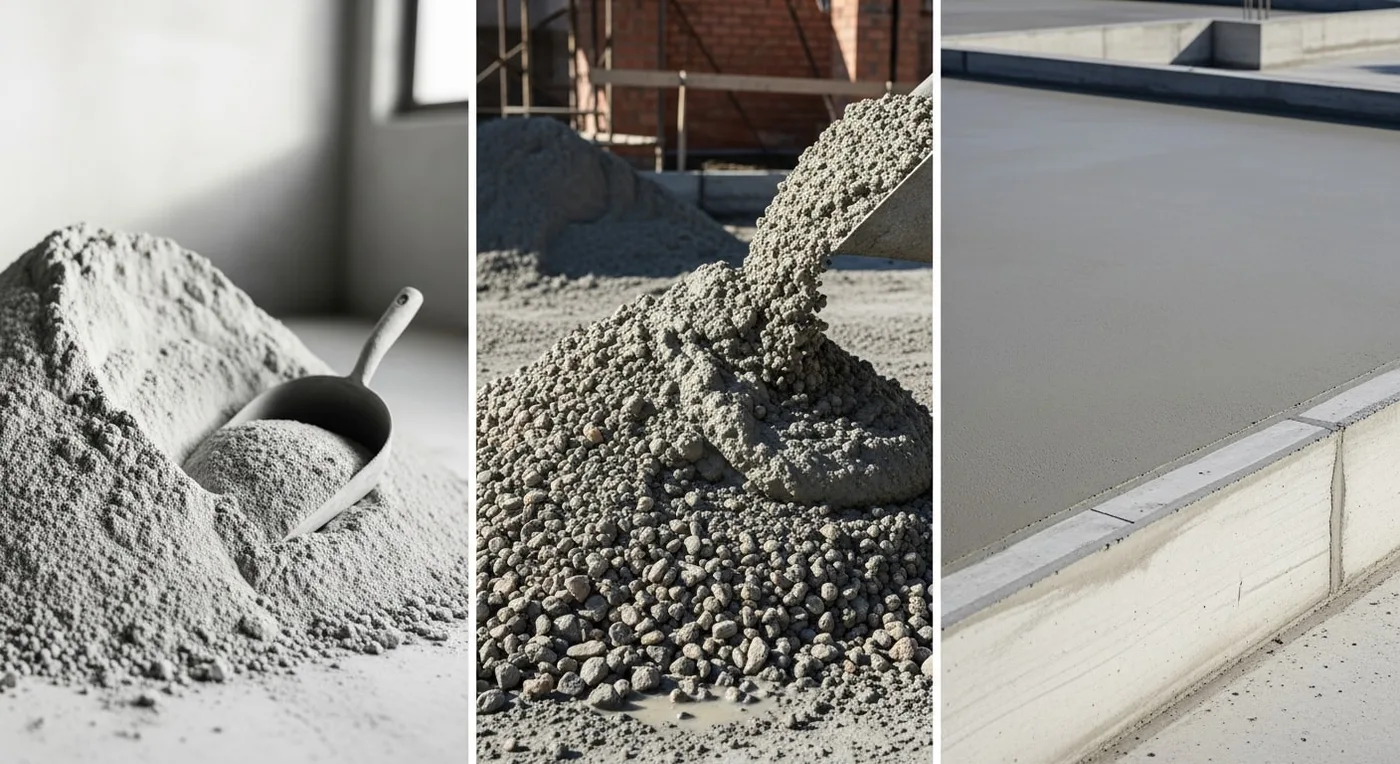
If damage is limited to surface cracks and minor spalling, concrete repair is the clear choice — always lead with repair over replacement when the structural integrity is sound. If more than 30-40% of the surface is damaged, sections have settled significantly, or the concrete itself is deteriorating (crumbling, exposed rebar), replacement is usually more cost-effective than repeated repairs. Understanding the difference between cement and concrete helps you choose the right repair products. A professional assessment helps you avoid spending money on repairs that won’t last. Text us a photo for a quick preliminary assessment.