
Vertical vs. Horizontal Foundation Cracks: When to Hit the Panic Button
If you live in Weymouth, MA or the surrounding South Shore area, foundation cracks are not uncommon. Older housing stock, coastal moisture, clay soils, and a high seasonal water table all put pressure on concrete foundations. From the coastal humidity of Weymouth Landing to the dense, rocky terrain near Pond Meadow Park, the ground beneath us is constantly moving.
But not all cracks mean the same thing.
Some cracks are cosmetic. Others are early warning signs of serious structural stress. Knowing the difference between vertical cracks and horizontal cracks can help homeowners make informed decisions before small problems become major repairs.
This guide breaks down what each crack type means, why horizontal cracks deserve special attention, and when it’s time to call a professional.
Understanding the Basics of Foundation Cracks
Concrete is strong under compression but weak under tension. Over time, soil pressure, moisture, temperature changes, and settling cause stress that the concrete relieves by cracking.
Cracks are generally categorized by their direction, location, and behavior over time.
The two most common types homeowners notice are vertical and horizontal cracks.
Vertical Foundation Cracks: Common but Not Always Dangerous
What They Look Like
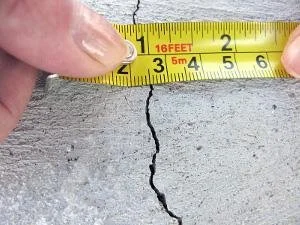
Vertical cracks typically run straight up and down or slightly diagonal. They are often found in poured concrete foundation walls and commonly appear near corners or windows.
What Causes Them
• Normal concrete curing and shrinkage
• Minor foundation settlement
• Temperature fluctuations
• Soil consolidation over time
Should You Be Concerned
In many cases, vertical cracks are not structural. However, they can still allow water intrusion, which leads to basement dampness, mold growth, and long term deterioration.
A vertical crack that is:
• Hairline or narrow
• Stable over time
• Not leaking
is often manageable with proper sealing or injection, or may not require a repair at all beyond cosmetics.
That said, vertical cracks that widen, leak consistently, or appear alongside other warning signs like displacement should still be evaluated.
Horizontal Foundation Cracks: When Concern Is Warranted
What They Look Like
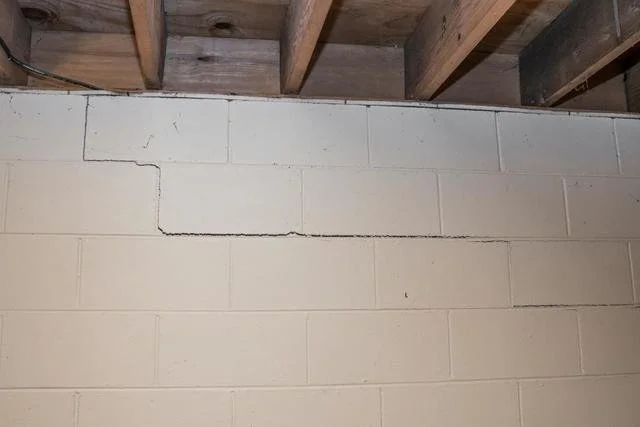
A horizontal crack runs side to side along the foundation wall, often several feet long. These cracks are most commonly found in block foundations but can also appear in poured concrete walls.
Why Horizontal Cracks Are Serious
Horizontal cracks typically indicate lateral pressure pushing against the foundation wall. In Weymouth and surrounding coastal communities, this pressure often comes from:
• Expansive or saturated soil
• High groundwater levels
• Poor exterior drainage
• Pressure from growing tree roots
• Freeze thaw cycles
• Hydrostatic pressure buildup
Unlike vertical cracks, horizontal cracks suggest that the wall is under stress and may be bowing inward.
When to Hit the Panic Button
A horizontal crack should never be ignored. Immediate professional evaluation is recommended if you notice:
• A horizontal crack longer than a foot
• Visible inward bowing of the wall
• Stair step cracking nearby
• Doors or windows sticking above the cracked wall
• Increasing crack width over time
• Water infiltration along the crack
These are indicators that the wall may be losing structural integrity.
Why Horizontal Cracks Are Common in the Weymouth Area
Weymouth’s geology plays a major role in foundation behavior. The area is known for:
• Dense clay soils that retain moisture
• High seasonal water tables
• Coastal groundwater influence
• Older homes with minimal drainage systems
During heavy rain or snowmelt, soil around the foundation becomes saturated, increasing lateral pressure. Over time, this repeated pressure can lead to horizontal cracking and wall movement.
This is why foundation crack repair in coastal Massachusetts requires localized knowledge, not one size fits all solutions.
Can Horizontal Cracks Be Repaired
Yes but the repair approach depends on severity.
Minor horizontal cracks without wall movement may be stabilized and sealed to prevent water intrusion.
More advanced cases may require:
• Wall reinforcement systems
• Structural stabilization
• Pressure relief through improved drainage
The key is identifying whether the crack is cosmetic, progressive, or structural.
Temporary surface patching without addressing the underlying pressure is rarely effective long term.
When to Call a Foundation Repair Professional
Homeowners should seek a professional assessment if they observe:
• Any horizontal crack
• Multiple cracks in the same wall
• New cracks appearing seasonally
• Moisture or staining near cracks
• Changes in wall alignment
Early evaluation often expands repair options and reduces long term costs.
Final Thoughts for Weymouth Homeowners
Not all foundation cracks mean disaster. But horizontal cracks are one of the clearest indicators of structural stress and should always be taken seriously.
Understanding the difference between vertical and horizontal cracks empowers homeowners to act early, protect their property, and avoid unnecessary damage.
If you live in Weymouth or the surrounding South Shore communities and have questions about a foundation crack, a professional assessment can provide clarity and peace of mind.
